Understanding Containerized Wastewater Treatment Systems
Containerized wastewater treatment systems have emerged as a vital solution for various water treatment challenges in both urban and rural settings. These systems offer a pre-engineered, integrated approach for treating wastewater, which includes domestic sewage and complex industrial effluent. By utilizing compact, transportable units, these systems are particularly advantageous for businesses and municipalities that require quick setup and operational flexibility. When exploring options, Wastewater Treatment System Manufacturers can provide comprehensive insights into innovative solutions that meet specific environmental standards.
What Are Containerized Systems?
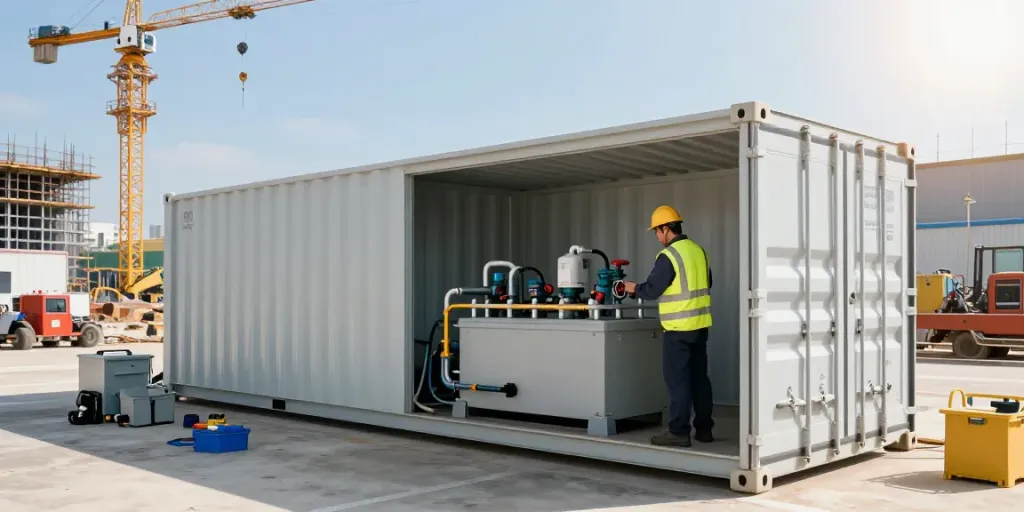
Containerized systems are modular wastewater treatment units manufactured within standard shipping containers, usually of 20 or 40 feet in length. These systems encapsulate various treatment processes—including primary, secondary, and tertiary treatments—allowing for the effective management of wastewater in a compact footprint. Their design fosters rapid deployment, making them ideal for emergency responses, temporary installations, or remote locations where traditional treatment solutions may not be feasible.
The Role of Wastewater Treatment System Manufacturers
Wastewater treatment system manufacturers play a critical role in providing innovative, sustainable solutions tailored to the unique challenges posed by wastewater management. Their expertise ensures that containerized systems are not only efficient but also compliant with regional and international environmental regulations. These manufacturers work closely with clients to customize systems based on capacity needs, local regulations, and specific treatment requirements, all while ensuring that the solutions are cost-effective and operationally feasible.
Key Components of Containerized Solutions
Containerized wastewater treatment systems typically comprise key components that work synergistically to treat wastewater effectively. These components include:
- Pre-treatment Units: These may consist of screens or grit removal systems to eliminate solid waste before primary treatment.
- Biological Treatment Systems: Utilizing aerobic or anaerobic processes, these systems break down organic matter and reduce biochemical oxygen demand (BOD).
- Filtration Units: These units help separate solids from treated water, often using advanced filtration techniques such as membrane filtration.
- Disinfection Systems: Chlorination, UV irradiation, or ozonation are commonly employed to eliminate pathogens from treated effluent.
- Control Systems: Automated monitoring and control systems allow for real-time adjustments to optimize performance and ensure compliance with discharge standards.
Benefits of Modular Wastewater Treatment
The modular nature of containerized wastewater treatment systems presents numerous benefits that set them apart from traditional models. These advantages contribute to their effectiveness and popularity across various sectors, including municipal, industrial, and commercial applications.
Rapid Deployment Advantages
One of the standout features of containerized systems is their rapid deployment capability. Typically requiring only a flatbed truck, a crane, and one to two days on-site, these systems can be operational almost immediately after delivery. This rapid setup time is particularly beneficial in emergency situations, natural disasters, or construction projects where immediate wastewater treatment solutions are essential.
Compliance with Environmental Standards
Wastewater regulations have become increasingly stringent, emphasizing the need for systems that maintain compliance with environmental standards. Containerized wastewater treatment systems are designed to meet—or exceed—these regulatory requirements, ensuring that effluent is treated effectively before discharge. Manufacturers work tirelessly to innovate and adapt their products in response to evolving legislation, thereby helping their clients avoid costly penalties and enhance community health.
Cost-Effectiveness in Various Applications
Containerized solutions can also provide significant cost savings when compared to traditional treatment facilities. The reduced construction timelines, lower labor costs, and minimized land requirements simplify project budgeting. Furthermore, the modular design allows clients to scale their systems according to operational demands, making it easier to manage capital expenditures without sacrificing performance.
Common Misconceptions about Wastewater Treatment Systems
Despite their rising popularity, there are several misconceptions regarding containerized wastewater treatment systems that can hinder their adoption. Addressing these misunderstandings is crucial for potential users to make informed decisions.
Aren't All Systems Complicated to Install?
One of the prevailing myths is that all wastewater treatment systems are complicated and costly to install. However, containerized systems are particularly designed for straightforward setup. With pre-assembly and pre-engineering, installation is streamlined, requiring minimal labor and technical expertise, which simplifies the process significantly.
Can Containerized Systems Handle Heavy Loads?
Another misconception is that containerized systems are only suitable for small-scale applications. In reality, these systems are engineered to handle a wide range of flow rates and wastewater types—from domestic sewage to heavy industrial effluents. Their modular nature allows them to be scaled up or down based on specific needs without compromising performance.
Are These Solutions Only for Industrial Use?
Many believe that containerized wastewater treatment systems are exclusive to industrial applications, yet this is far from the truth. While they are indeed used in various industries—including manufacturing, oil and gas, and mining—they are also highly effective for municipal wastewater treatment, commercial facilities, and even remote communities lacking centralized sewer systems.
Best Practices for Operational Efficiency
To ensure that containerized wastewater treatment systems operate at peak efficiency, adopting best practices in maintenance and monitoring is crucial. Such measures prolong system lifespan and optimize performance, ultimately leading to better environmental compliance.
Regular Maintenance Protocols
Establishing a routine maintenance schedule is vital for the longevity of any wastewater treatment system. Regular inspections, cleaning, and component replacements can prevent costly breakdowns and ensure optimal performance. Wastewater treatment system manufacturers often provide guidelines and support for establishing these preventive maintenance protocols tailored to specific systems.
Monitoring and Measuring Performance
Utilizing advanced monitoring technologies allows for real-time data collection regarding system performance. Key metrics such as effluent quality, flow rates, and treatment efficiency should be continuously tracked to identify potential issues before they escalate. Systems equipped with automated monitoring solutions can provide alerts and notifications, facilitating proactive management.
Upgrading Systems for Future Needs
As regulations evolve and community needs change, wastewater treatment systems must be adaptable. Manufacturers encourage clients to consider modular enhancements or upgrades that can keep systems up to date with current practices and technologies. This flexibility can include adding new treatment processes or increasing capacity as demand grows.
Future Trends in Wastewater Treatment Technology
The wastewater treatment sector is entering a transformative phase with the integration of new technologies and sustainable practices. Understanding these trends not only prepares manufacturers for future challenges but also equips users with the knowledge to make informed decisions regarding their systems.
Innovative Technologies on the Horizon
Emerging technologies in wastewater treatment, such as artificial intelligence and machine learning, are set to revolutionize operational management. These technologies can analyze vast amounts of data to optimize treatment processes, predict maintenance needs, and enhance overall system performance. Innovations in advanced oxidation processes and membrane bioreactors are also gaining traction, offering more efficient treatment options.
Sustainable Practices and Environmental Impact
As sustainability becomes increasingly crucial, wastewater treatment systems are adapting to minimize their environmental footprint. Technologies that focus on resource recovery—such as biogas production from anaerobic digestion or nutrient recovery from wastewater—are likely to become industry standard. Additionally, the integration of renewable energy sources, like solar panels, into wastewater treatment facilities can significantly reduce operational costs and carbon emissions.
The Evolving Role of Wastewater Treatment System Manufacturers
Wastewater treatment system manufacturers are evolving in their roles, shifting from merely providing equipment to becoming full-service solution providers. This includes offering consulting services, system integration, and long-term support. As clients look for comprehensive solutions that ensure compliance, efficiency, and sustainability, manufacturers must embrace this shift to remain competitive.
What Are the Top Advantages of Containerized Wastewater Systems?
Containerized wastewater treatment systems offer numerous advantages, including:
- Flexibility: Easily deployed and relocated as needed.
- Scalability: Systems can be expanded to meet increasing operational demands.
- Cost-Efficiency: Reduced setup and operational costs compared to conventional treatment plants.
- Compliance Ready: Designed to meet stringent environmental regulations.
What Are Common Applications for Containerized Systems?
Containerized systems are utilized across a diverse range of applications, including:
- Municipal Wastewater Treatment: Servicing towns and cities without centralized sewage facilities.
- Construction Sites: Providing temporary treatment solutions during development.
- Industrial Effluent Treatment: Managing wastewater from manufacturing processes.
- Disaster Relief: Addressing immediate wastewater needs following natural disasters.
How Do I Choose the Right Manufacturer?
Selecting the right wastewater treatment system manufacturer involves several critical considerations, including:
- Experience: Look for manufacturers with a proven track record in the industry.
- Customization: Ensure they offer solutions tailored to your specific needs.
- Support Services: Evaluate the level of ongoing support provided post-installation.
What Are the Costs Associated with Installation?
The costs of installing containerized wastewater treatment systems depend on various factors, including system capacity, required treatments, and site conditions. Potential clients are encouraged to obtain detailed quotes from manufacturers, considering both upfront costs and long-term operational expenses.
How Are Wastewater Regulations Changing in 2026?
As we approach 2026, regulatory frameworks surrounding wastewater treatment are becoming more stringent to address growing environmental concerns. Emphasis on nutrient removal, effluent quality, and resource recovery will likely shape future regulations. Staying informed about these changes will be essential for manufacturers and end-users alike to maintain compliance and enhance sustainability in wastewater management.