Understanding SHASHEL® Technology
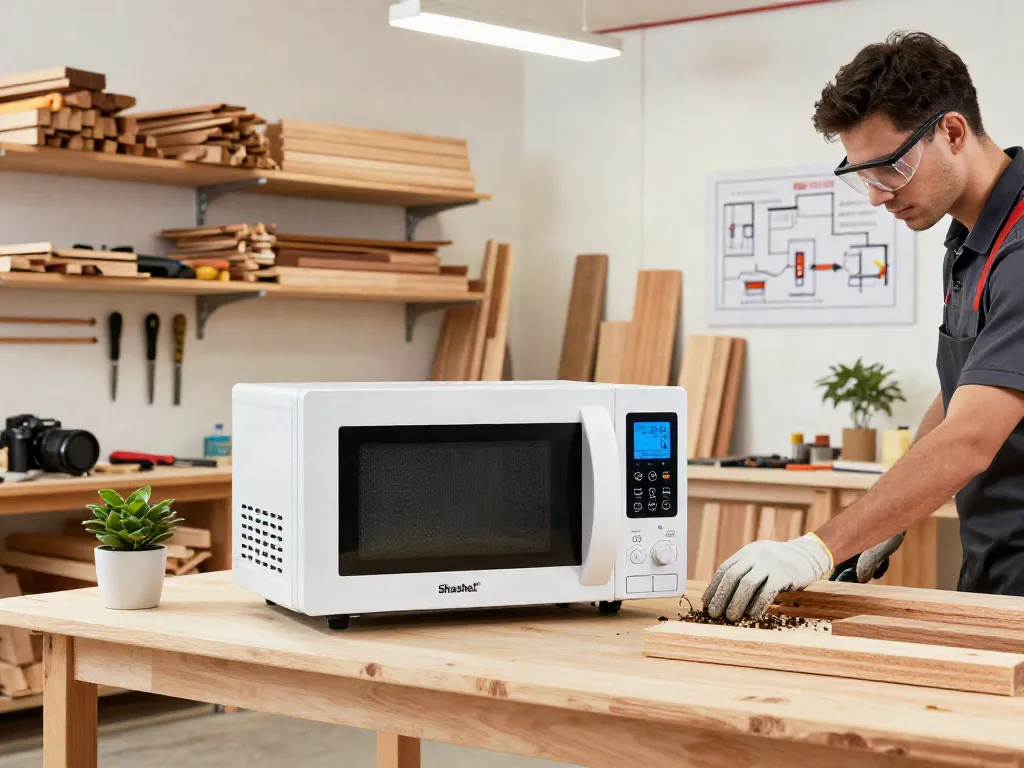
In today's world, where environmental awareness and efficiency play crucial roles in pest control, SHASHEL® emerges as a revolutionary solution for those grappling with wood-boring insects. This innovative technology utilizes microwave energy to eradicate woodworms, larvae, and their eggs, providing an eco-friendly, chemical-free alternative to traditional methods. With a focus on speed and effectiveness, SHASHEL® can offer complete elimination of pests in just a few minutes, making it an appealing choice for homeowners, restorers, and contractors alike. When exploring options, SHASHEL® provides comprehensive insights into its range of microwave equipment designed for this purpose.
What Is SHASHEL® and How Does It Work?
SHASHEL® technology is engineered to utilize microwaves, which effectively penetrate wood structures to target pests. Unlike conventional chemical treatments, which often require prolonged exposure and can leave harmful residues, SHASHEL® achieves rapid results by heating the infested wood to a temperature that is lethal to wood-boring insects. This method not only eliminates the pests but also ensures the integrity and quality of the wood remain intact.
The process is simple: once the equipment is set up, the microwaves are directed towards the infested wood, allowing for deep penetration. The heat generated disrupts the cellular functions of the pests, leading to their rapid demise. This technology is particularly effective for items that are difficult to treat using traditional methods, such as antique furniture or structures with hidden infestations.
Key Benefits of Using SHASHEL® for Wood Treatment
- Chemical-Free Solution: One of the most significant advantages of SHASHEL® is its chemical-free approach. This ensures that the environment remains safe for both humans and pets.
- Speed: Treatments can be completed in a matter of minutes, significantly reducing downtime for businesses and homeowners.
- Versatility: The technology is effective on various wood species and can be used in multiple settings, including homes, warehouses, and even food storage units.
- Deep Penetration: Unlike surface treatments, SHASHEL® penetrates deeply into wood, ensuring that all life stages of pests are addressed.
Comparison with Traditional Pest Control Methods
When comparing SHASHEL® to traditional pest control methods, the differences are stark. Conventional treatments often rely on hazardous chemicals that can linger in the environment and require multiple applications to be effective. Additionally, these methods may not reach pests hidden deep within the wood, leading to incomplete eradication.
SHASHEL® stands out due to its efficiency and thoroughness, as it effectively kills not just adult insects but also larvae and eggs, ensuring a comprehensive treatment. Moreover, the absence of chemicals makes it a safer option for residential and commercial spaces, aligning with current trends towards sustainability and health-conscious living.
How to Choose the Right SHASHEL® Equipment
Selecting the appropriate SHASHEL® model depends on your specific needs, including the size of the infestation, type of wood, and intended usage location. With various models tailored for different applications, understanding their specifications is crucial for effective pest management.
Different Models and Their Specifications
SHASHEL® offers a range of models, each designed with unique specifications to cater to different needs:
- SHASHEL® Home Model: Designed for residential use, this model is compact and user-friendly, ideal for treating furniture and smaller wooden items.
- SHASHEL® Professional Model: This model is equipped for larger infestations and is suitable for commercial purposes, capable of treating large wooden structures.
- SHASHEL® Industrial Model: A robust option designed for extensive treatment in large warehouses or storage facilities, ensuring quick and efficient pest elimination.
Factors to Consider When Selecting SHASHEL® Equipment
When choosing your SHASHEL® equipment, consider the following factors:
- Size of Infestation: Larger infestations may require more powerful models.
- Type of Wood: Different wood species may require different levels of energy for effective treatment.
- Operational Environment: Ensure the model is suitable for indoor or outdoor use, depending on where the treatment will take place.
- User Experience: Consider how easy the equipment is to operate, especially if non-professionals will be using it.
Real-World Applications and Success Stories
Countless users have successfully employed SHASHEL® technology in diverse scenarios:
- Antique Restorations: Many restorers have successfully treated antique furniture without compromising the wood quality.
- Historic Buildings: Restoration projects in historic buildings have leveraged SHASHEL® to prevent further damage from wood-boring insects.
- Furniture Stores: Retailers have utilized the technology to ensure their stock remains pest-free, safeguarding their investments.
Best Practices for Using SHASHEL® Effectively
To maximize the effectiveness of SHASHEL® equipment, following best practices is essential. Proper usage will not only ensure successful pest elimination but also extend the life of your equipment.
Step-by-Step Guide to Operating SHASHEL® Equipment
- Preparation: Inspect the wooden item for signs of infestation and remove any non-wood materials.
- Setup: Position the SHASHEL® equipment according to the manufacturer's instructions, ensuring it covers the infested area.
- Operation: Follow the operating procedures for the selected model, monitoring the treatment time closely.
- Post-Treatment: Allow the wood to cool before inspection and ensure all areas have been treated.
Common Mistakes to Avoid When Using SHASHEL®
Users should be mindful of the following common pitfalls to ensure successful treatment:
- Failure to adequately prepare the wood, including ensuring it is free from moisture.
- Not following the manufacturer's guidelines for treatment times and temperatures.
- Neglecting to check for additional signs of infestation after the treatment.
Maintenance Tips for Longevity and Performance
To keep your SHASHEL® equipment functioning optimally, consider these maintenance tips:
- Regular Cleaning: Keep the equipment clean and free from dust to ensure maximum efficiency.
- Routine Inspections: Regularly check for signs of wear and tear, addressing any issues immediately.
- Proper Storage: Store the equipment in a dry, safe place to prolong its lifespan.
Addressing Common Challenges with SHASHEL®
While SHASHEL® technology is generally effective, users may encounter challenges, especially in unique situations. Understanding how to address these can significantly improve outcomes.
Dealing with Wood Species Variability in Treatment
Different wood species can react differently to microwave treatment. Some woods may require longer treatment times or different energy levels. It’s crucial to research the specific wood type you are treating to adjust the process accordingly for maximal effectiveness.
Troubleshooting Common Issues with SHASHEL® Units
If you encounter problems with your SHASHEL® equipment, consider the following troubleshooting tips:
- Unit Not Heating: Check power connections and ensure the unit is set up correctly.
- Insufficient Pest Elimination: Ensure the correct treatment time was followed based on the level of infestation.
Environmental Considerations and Safety Measures
While SHASHEL® technology is safer than traditional methods, it's still essential to observe safety measures:
- Ensure the area is well-ventilated during treatment.
- Keep pets and children away from the treatment area until it has cooled.
- Check for any local regulations regarding pest treatments.
The Future of SHASHEL® and Wood Treatment
As technology progresses, the future of SHASHEL® looks promising, with potential advancements that could enhance pest management capabilities.
Emerging Trends in Pest Control Technologies
Innovations in pest control are focusing on sustainable, chemical-free methods, and SHASHEL® is at the forefront of this movement. The integration of artificial intelligence to predict infestations could complement existing technologies, making pest control even more proactive.
Predictions for SHASHEL® Advancements by 2026
By 2026, we can expect SHASHEL® to introduce more portable models and advanced user interfaces, making pest control more accessible to homeowners and small businesses.
Expert Insights on the Evolution of Wood Treatment Solutions
Industry experts suggest that as awareness around sustainable practices grows, SHASHEL® will likely lead conversations on effective wood treatment solutions that align with environmental responsibility.
What makes SHASHEL® different from other pest control methods?
SHASHEL® stands out for its unique use of microwave technology, offering a chemical-free, quick solution that penetrates deep into wood, unlike traditional surface treatments.
How effective is SHASHEL® for large-scale wood treatment?
SHASHEL® is highly effective for large-scale treatments, particularly with its professional and industrial models designed to handle bigger infestations without compromising on speed.
Is SHASHEL® safe for use around people and pets?
Yes, SHASHEL® is safe for use around people and pets, as it does not involve harmful chemicals, making it an ideal choice for residential areas.
What is the average treatment time using SHASHEL®?
The average treatment time can vary depending on the intensity of the infestation and wood type, but typically it can be completed in under 30 minutes.
How does SHASHEL® perform in different environmental conditions?
SHASHEL® equipment is designed to perform effectively in various conditions, though extreme temperatures or moisture levels may affect efficiency. Users should consult the user manual for specific guidelines based on environmental factors.