Understanding CNC Machining and Its Applications
CNC (Computer Numerical Control) machining is a sophisticated manufacturing process that uses computer-controlled tools to create precise parts and components. This technology has revolutionized the industrial landscape, particularly in the production of cnc machined stainless steel parts, which are indispensable across various sectors. By automating the machining process, manufacturers can achieve remarkable precision, repeatability, and efficiency, essential for today’s competitive market.
What is CNC Machining?
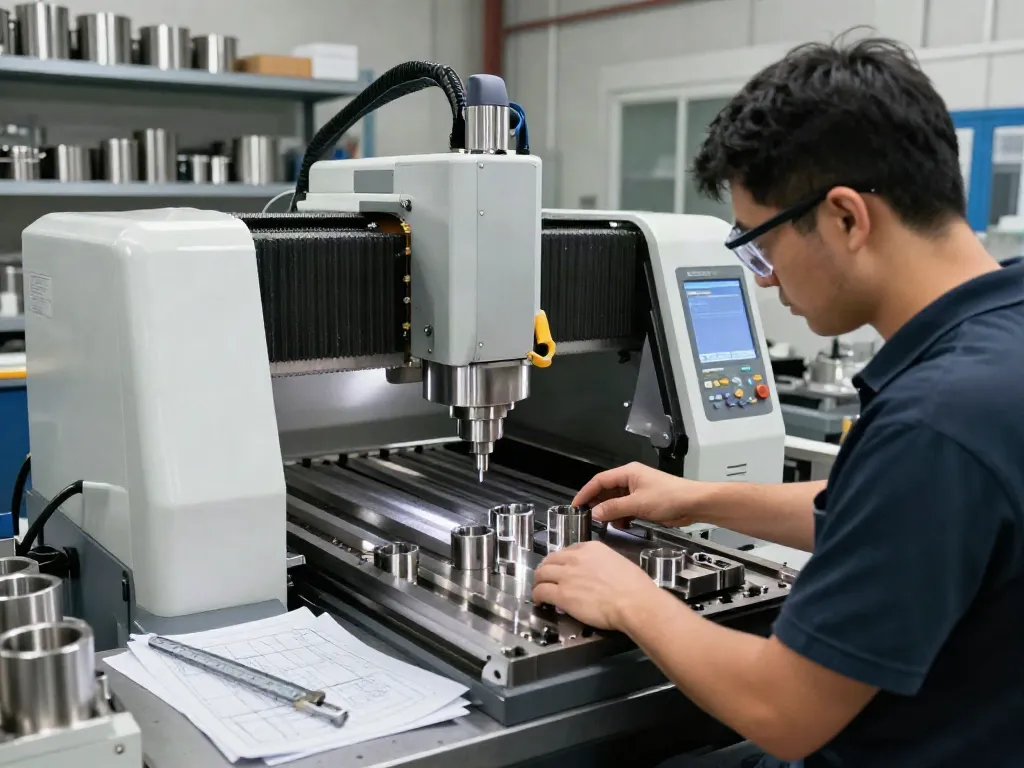
At its core, CNC machining is a manufacturing process that employs computer systems to control machine tools. CNC machines can manipulate tools to cut, mill, turn, and shape materials with high accuracy. Common machines involved include mills, lathes, and routers, which are programmed using CAD (Computer-Aided Design) and CAM (Computer-Aided Manufacturing) software. Due to its precision, speed, and flexibility, CNC machining is popular in industries such as aerospace, automotive, and medical device manufacturing.
Key Benefits of CNC Machined Stainless Steel Parts
- Precision: CNC machining is known for its ability to produce parts with exact specifications and tight tolerances.
- Consistency: Once programmed, CNC machines can reproduce parts with minimal variation, ensuring consistent quality.
- Efficiency: Automated processes reduce production time, allowing for faster turnaround of orders.
- Versatility: CNC machines can work with various materials, particularly high-grade stainless steel, suitable for diverse applications.
Industries That Rely on CNC Machining
CNC machining is essential in several critical industries, including:
- Medical: Surgical instruments and implantable devices require high precision and biocompatibility.
- Food Processing: Equipment made from stainless steel is often preferred for its hygienic properties and durability.
- Aerospace: Components must withstand extreme conditions, making stainless steel an ideal choice due to its strength and corrosion resistance.
- Automotive: High-strength parts are necessary for performance and safety in vehicles.
Materials: Choosing the Right Stainless Steel for CNC Parts
Grades of Stainless Steel: A Comparative Overview
When selecting materials for CNC machining, it is crucial to consider the grade of stainless steel. Common grades include:
- 304: Known for its excellent corrosion resistance and formability; it's widely used in kitchen equipment.
- 316: Offers superior corrosion resistance, especially in marine environments; preferred in chemical and pharmaceutical applications.
- 410: This grade is heat treatable and provides high strength, often used in cutlery and tools.
Corrosion Resistance and Its Importance
Corrosion resistance is a critical factor in the selection of materials for CNC machined parts, especially in industries like medical and food processing. Stainless steel is inherently resistant to rust due to the presence of chromium, which forms a protective oxide layer. This property is essential for maintaining the integrity of components that are exposed to harsh environments or require strict hygiene standards.
Cost vs. Quality in Material Selection
While cost is always a consideration, it should not compromise quality. High-grade stainless steel may have a higher upfront cost, but it offers greater durability and lower maintenance costs over time. In industries where failure is not an option, investing in superior materials pays for itself by preventing costly breakdowns and enhancing safety.
The CNC Machining Process Explained
From Design to Production: The Workflow
The CNC machining process begins with the design phase, where engineers utilize CAD software to create detailed designs. These designs are then translated into CNC machine language through CAM software, which generates the necessary code to control the machines. Following this, the selected stainless steel material is set up within the machine, and the machining process begins, following strict guidelines to ensure precision and quality.
Precision Techniques for Complex Geometries
Modern CNC machines are equipped with advanced capabilities that allow for the creation of complex geometries that traditional machining methods struggle to achieve. Techniques such as multi-axis machining enable manufacturers to produce intricate parts with tight tolerances, essential in highly regulated industries like aerospace and medical.
Quality Control Measures in CNC Machining
Quality control is paramount in CNC machining. Techniques such as Statistical Process Control (SPC) and regular inspections help ensure that every part produced meets stringent standards. Additionally, specialized software can monitor the machining conditions in real-time, adjusting parameters as necessary to maintain quality.
Case Studies: Successful Applications of CNC Machined Parts
Medical Industry Innovations with CNC Machined Parts
The medical industry continually seeks innovations that improve patient outcomes. CNC machined stainless steel parts are used in surgical instruments and implantable devices, where precision and biocompatibility are essential. For instance, customized surgical tools must meet exact specifications to ensure proper functionality and patient safety.
CNC Machined Components in Food Processing Equipment
In food processing, stainless steel's hygienic properties are necessary for maintaining industry standards. CNC machined components are used in equipment such as mixers and packaging machines where durability and resistance to corrosion are critically important. By investing in high-quality parts, manufacturers can improve equipment longevity and reduce downtime.
High-Stress Applications: Aerospace and Chemical Industries
Aerospace applications require components that not only meet strict weight restrictions but also perform under extreme conditions. CNC machined stainless steel parts provide the necessary strength and durability for critical components such as landing gear and engine parts. Similarly, in the chemical industry, parts must resist corrosive substances without compromising structural integrity, making stainless steel a preferred material choice.
Future Trends in CNC Machining: What to Expect by 2026
Emerging Technologies in CNC Machining
The future of CNC machining looks promising with the emergence of technologies such as additive manufacturing and the integration of AI-driven automation. These advancements will further enhance precision and reduce production times, making it easier to create complex parts more efficiently.
Environmental Considerations in Manufacturing
Sustainability is becoming a key priority in manufacturing. Innovations in CNC machining are leading towards greener practices, such as reducing waste and utilizing recyclable materials. Companies that adopt environmentally friendly practices are likely to see enhanced brand loyalty and regulatory compliance.
The Evolution of Materials and Techniques
As demands for more innovative products grow, the materials used in CNC machining are also evolving. New alloy compositions and treatments are being developed to enhance the properties of stainless steel, allowing for lighter, stronger, and more versatile components tailored to specific industry needs.
What are the key advantages of cnc machined stainless steel parts?
Key advantages include excellent corrosion resistance, high strength, durability, and the ability to create precise components that meet stringent industry standards. These properties make them particularly suitable for high-performance applications in demanding environments.
How to choose the best stainless steel grade for my project?
Selecting the best stainless steel grade involves considering the specific application requirements, such as exposure to corrosive elements, the need for biocompatibility, and mechanical strength. Consulting with a professional can help in making the right choice tailored to your project needs.
What industries benefit the most from CNC machining?
Industries benefiting significantly from CNC machining include medical, aerospace, automotive, and food processing. Each of these sectors demands high precision, durability, and adherence to strict safety regulations.
How does the CNC machining process improve precision?
The CNC machining process improves precision by relying on automated systems that eliminate human error. With the ability to program detailed specifications into the software, CNC machines consistently produce parts that meet exact dimensions and tolerances.
What trends are shaping the future of CNC machining?
Trends such as increased automation, the incorporation of AI and machine learning, and a focus on sustainability are shaping the future of CNC machining. These developments promise to enhance efficiency, reduce costs, and improve product quality across various industries.