Understanding the Role of a GRP Manufacturer
Definition and Significance of GRP
GRP, or Glass Reinforced Plastic, is a composite material made from a polymer matrix reinforced with glass fibers. This unique combination results in a product that is not only lightweight but also exceptionally strong and versatile. It plays a crucial role across various industries, offering solutions that withstand extremes while remaining durable and cost-effective. The significance of GRP manufacturers lies in their ability to produce components that meet stringent quality and performance requirements, thus enabling advancements in diverse applications ranging from aerospace to civil engineering.
Applications of GRP in Various Industries
GRP finds utility in an array of sectors due to its unique properties. In the construction industry, GRP is used for roofing, cladding, and structural components due to its weather resistance and durability. In the automotive sector, it enhances vehicle performance while reducing weight. Aerospace applications leverage GRP for its strength-to-weight ratio, essential for fuel efficiency. Additionally, it plays a significant role in marine applications, manufacturing boat hulls, and other components that require resistance to corrosion and harsh environmental factors.
Overview of GRP Manufacturing Processes
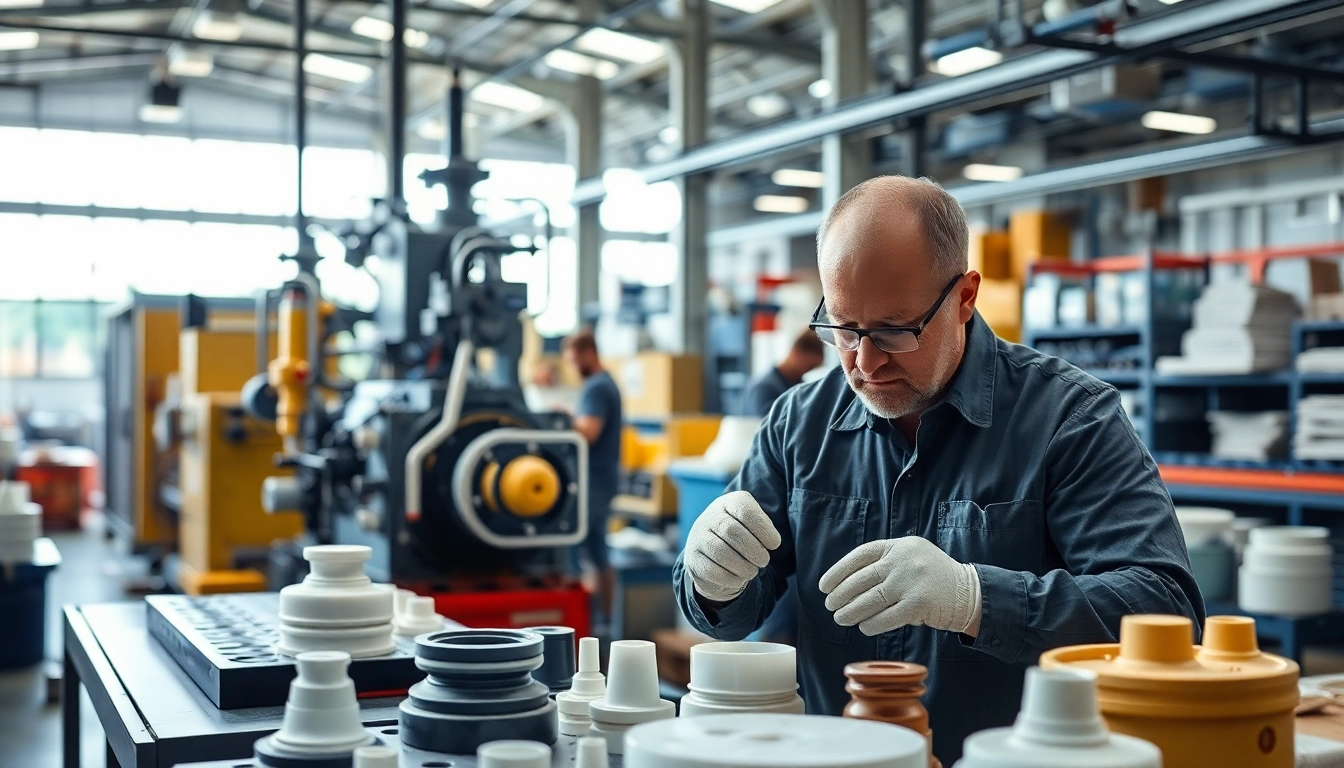
The manufacturing of GRP involves several critical processes designed to create reliable and high-performance products. The primary methods include:
- Hand Lay-Up: A manual process where layers of glass fibers are placed in a mold and resin is applied.
- Spray-Up: Similar to hand lay-up but involves spraying a mixture of resin and chopped glass fibers into a mold.
- Pultrusion: Continuous manufacturing process where reinforcement fibers are pulled through a resin bath and a heated die to create a specific cross-section.
Each method has its benefits, allowing manufacturers to choose based on desired product characteristics, cost efficiency, and scale.
Key Features of High-Quality GRP Products
Material Composition and Properties
The performance of GRP products is significantly influenced by their material composition. High-quality GRP typically comprises a combination of resin types (such as polyester or epoxy) and various grades of glass fibers, which together contribute to attributes like strength, corrosion resistance, and thermal stability. By optimizing the balance of materials, GRP manufacturers can customize products for specific applications while ensuring they meet durability and performance standards.
Design Considerations for GRP Components
When designing GRP components, several factors need careful consideration:
- Load Requirements: Understanding the stresses and loads the component will face ensures structural integrity.
- Environmental Factors: Components must withstand local environmental conditions, such as temperature fluctuations and exposure to chemicals.
- Aesthetic Requirements: GRP offers versatility in finishing, allowing manufacturers to create visually appealing products without compromising functionality.
Given these factors, collaborating closely with design engineers is vital for achieving optimal outcomes.
Importance of Quality Control in Production
Quality control is paramount in GRP manufacturing to ensure that products meet both regulatory standards and client specifications. Essential quality control measures include:
- Material Testing: Rigorous testing of raw materials to prevent defects.
- Process Monitoring: Ensuring that each stage of production adheres to established protocols.
- Final Inspections: Comprehensive evaluations of the finished product before shipping to clients.
Implementing these measures leads to more reliable products, enhanced customer satisfaction, and reduced risk of failures.
Challenges Faced by GRP Manufacturers
Supplier Dependencies and Material Sourcing
GRP manufacturers often face challenges related to supplier dependencies and the sourcing of materials. Fluctuations in the availability and price of raw materials can impact production schedules and costs. Establishing strong relationships with multiple suppliers and investing in strategic sourcing can mitigate these risks. Furthermore, keeping abreast of market trends helps manufacturers anticipate changes and adjust their material strategy accordingly.
Technological Advancements and Industry Trends
The GRP industry is continuously evolving, driven by technological advancements. Innovations such as automated manufacturing processes and the development of new composite materials enhance efficiency and product quality. Staying abreast of these trends allows manufacturers to leverage new technologies to improve their offerings and operational efficiency. Participating in industry conferences and trade shows can provide critical insights into emerging technologies.
Environmental Considerations in GRP Manufacturing
Environmental concerns are increasingly relevant for GRP manufacturers. The industry faces scrutiny over waste management and the sustainability of materials used in production. Adopting environmentally friendly practices, such as recycling and using bio-based resins, is essential for compliance with regulations and sustainable operation. By minimizing the environmental footprint, manufacturers can position themselves favorably in a market that values sustainability.
Best Practices for GRP Manufacturers
Implementing Effective Quality Management Systems
To maintain high standards, GRP manufacturers should implement effective quality management systems (QMS). A robust QMS facilitates consistency in production, reduces waste, and enhances customer satisfaction. Establishing metrics for performance and routinely analyzing results can help refine processes and identify areas for improvement.
Employee Training and Skill Development
Investing in employee training is vital for maintaining quality and innovation in GRP manufacturing. Regular training sessions that cover the latest techniques and materials empower the workforce with the skills needed to excel. Developing cross-functional teams can also enhance collaboration and innovation within the organization.
Innovative Solutions for Design Efficiency
Leveraging advanced design software and prototyping tools can streamline the development of GRP products. Utilizing simulation tools can optimize designs before production begins, reducing time and costs associated with rework. Incorporating feedback loops with clients into the design process can also enhance end product quality and satisfaction.
Future of GRP Manufacturing
Emerging Technologies and Innovations
The future of GRP manufacturing is bright, with numerous emerging technologies on the horizon. Trends such as the use of artificial intelligence in manufacturing processes and the rise of smart materials present exciting opportunities. Manufacturers that embrace these changes can enhance efficiency and product capabilities, potentially redefining their market position.
Market Trends Impacting GRP Manufacturers
Key market trends, such as increased demand for lightweight materials in transportation and heightened awareness of sustainability, are shaping the GRP industry. Manufacturers must adapt to these trends by innovating their product lines and optimizing production methods to meet consumer demands and compliance standards.
Building Sustainable GRP Manufacturing Operations
Sustainability will be a cornerstone of future GRP manufacturing operations. By developing eco-friendly processes and investing in renewable materials, manufacturers can ensure compliance with environmental regulations while appealing to environmentally conscious customers. Emphasizing a circular economy approach supports sustainability and fosters loyalty and trust among clients.
Frequently Asked Questions
What is GRP in manufacturing?
GRP stands for Glass Reinforced Plastic. It is a composite material combining glass fibers and resin, known for its strength and versatility in various applications.
What industries benefit from using GRP?
Industries such as construction, automotive, aerospace, and marine benefit from GRP's lightweight, corrosion-resistant, and durable nature.
How is GRP manufactured?
GRP is manufactured by combining resin with glass fibers using processes such as hand lay-up, spray-up, or pultrusion, ensuring a strong composite material.
What quality control measures are essential for GRP manufacturing?
Essential quality control measures include material testing, process monitoring, and regular inspections to ensure products meet industry standards and specifications.
What are the environmental considerations in GRP manufacturing?
Key environmental considerations include using sustainable materials, reducing waste, and adhering to regulations regarding emissions and disposal of composite materials.
In summary, as a GRP Manufacturer, understanding these dynamics not only enhances operational efficiency but also positions manufacturers favorably in a competitive and complex marketplace.