Understanding Green Cooling
What is Green Cooling?
Green Cooling refers to environmentally friendly cooling solutions that aim to reduce energy consumption and minimize the environmental impact associated with conventional cooling methods. It encompasses various technologies and practices, emphasizing high energy efficiency, the use of renewable energy sources, and reduced emissions of greenhouse gases. Green Cooling represents a holistic approach to preserving the planet while ensuring optimal cooling performance in residential and commercial spaces.
Benefits of Green Cooling
The advantages of employing Green Cooling solutions are manifold. Key benefits include:
- Energy Efficiency: Green Cooling systems consume significantly less energy compared to traditional systems, leading to lower utility bills.
- Environmental Impact: By utilizing renewable energy sources and eco-friendly refrigerants, these systems contribute to a reduction in greenhouse gas emissions.
- Improved Air Quality: Many Green Cooling technologies enhance indoor air quality by preventing harmful pollutants from being circulated.
- Long-Term Savings: Although initial investments may be higher, the reduced energy usage results in long-term financial benefits.
- Regulatory Compliance: These systems often meet or exceed current regulations, making it easier for businesses and homeowners to comply with environmental laws.
Key Technologies in Green Cooling
Several innovative technologies fall under the umbrella of Green Cooling. Some of the most prominent include:
- Solar-Powered Air Conditioning: These systems harness solar energy, drastically lowering dependence on grid electricity.
- Evaporative Coolers: Using water evaporation to cool air, these systems require significantly less energy than conventional air conditioners.
- Geothermal Heat Pumps: Leveraging stable temperatures underground, geothermal pumps provide efficient heating and cooling, dramatically lowering energy consumption.
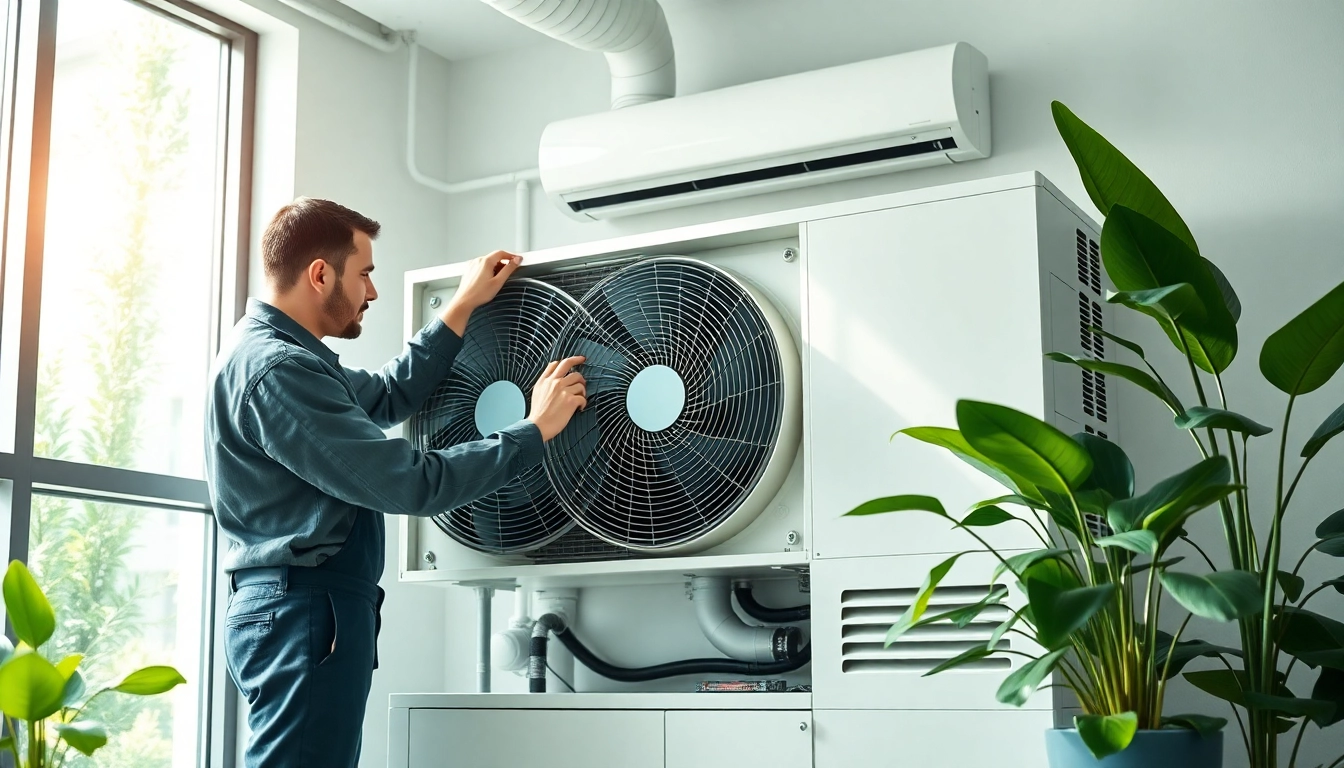
- High-Efficiency Heat Exchangers: These devices maximize energy transfer between indoor and outdoor environments, enhancing overall system efficiency.
- Variable Refrigerant Flow (VRF) Systems: These systems adjust the flow of refrigerant based on demand, which improves energy efficiency and comfort.
Implementing Green Cooling in Homes
Assessing Your Cooling Needs
To effectively implement Green Cooling solutions in residential settings, homeowners should first assess their cooling needs. This evaluation can involve considering factors such as the size of the home, insulation quality, and local climate. Regular home inspections can help identify areas of potential energy loss, ensuring that the chosen cooling system will function optimally.
Choosing the Right Systems
Selecting the appropriate system is critical for efficient Green Cooling. Homeowners may opt for solar air conditioning, which, although initially expensive, pays off via reduced energy bills. Alternatively, evaporative coolers can be ideal for arid climates. Engaging with a certified HVAC professional can ensure that you select the best system tailored to your needs.
Best Practices for Installation
Proper installation is essential for maximizing the benefits of Green Cooling technologies. Homeowners should:
- Hire certified professionals to ensure compliance with industry standards.
- Conduct thorough testing of the system to confirm optimal performance.
- Consider integrating smart thermostats that can optimize energy use based on occupancy patterns.
- Regularly maintain and clean components to prolong system lifespan and efficiency.
Green Cooling for Commercial Spaces
Strategies for Energy Efficiency
Commercial enterprises can significantly benefit from adopting Green Cooling strategies. Implementing energy-efficient practices such as upgrading to high-efficiency systems, using intelligent climate control technologies, and conducting regular energy audits can lead to substantial savings. Utilizing building automation systems effectively optimizes energy usage based on real-time needs and occupancy levels.
Case Studies of Successful Implementations
Numerous successful implementations of Green Cooling have showcased its effectiveness. For instance, a corporate office implemented a mixed-mode cooling strategy, combining natural ventilation with efficient mechanical cooling, achieving a 40% reduction in cooling energy consumption. Another example is an educational institution that installed geothermal heat pumps, which led to significant savings over conventional systems by leveraging natural ground temperatures.
Measuring Impact on Business Operations
Establishing metrics to measure the impact of Green Cooling implementations is vital. Companies can track energy consumption reductions, cost savings, and improvements in employee comfort and productivity. Regular assessment of these metrics helps in justifying the initial investments and directs future improvements.
Financing and Incentives for Green Cooling
Understanding Available Grants and Rebates
Various government programs and utility companies offer grants and rebates to encourage the adoption of Green Cooling technologies. Homeowners and businesses should research local and federal grants that help alleviate initial costs for going green. Engaging with local energy providers can also yield information on available incentives, enhancing affordability.
Long-Term Cost Benefits Analysis
Conducting a long-term cost-benefit analysis can provide valuable insights into the financial impacts of investing in Green Cooling. By considering initial installation costs, potential rebates, energy savings, and maintenance expenses, stakeholders can make informed decisions that align with their sustainability goals.
Financing Options for Businesses
Many financial institutions have begun specializing in loans for energy-efficient upgrades. Businesses can explore options like low-interest loans, leasing programs, and Property Assessed Clean Energy (PACE) financing to facilitate the transition to Green Cooling solutions. Consulting with a financial advisor can help in identifying the best financing strategy.
The Future of Green Cooling
Emerging Technologies and Trends
The future of Green Cooling is poised for exciting advancements. Innovations such as advanced material technologies, AI-driven climate control systems, and the integration of IoT devices promise enhanced energy efficiency and user comfort. Staying abreast of these technological trends will allow stakeholders to leverage the most effective solutions available.
The Role of Policies and Regulations
As governments worldwide aim for sustainability targets, policies and regulations surrounding energy efficiency and environmental impact will continue to evolve. Active participation in advocacy work and staying informed on regulatory changes is necessary for businesses and homeowners who wish to reap the benefits of Green Cooling while ensuring compliance.
How Consumers Can Advocate for Green Cooling
Consumers play a crucial role in promoting Green Cooling practices. Advocacy can involve reaching out to local representatives, participating in community awareness programs, and utilizing social media platforms to share the benefits of sustainable cooling. Each voice contributes to a more significant movement towards energy-efficient solutions.
Frequently Asked Questions
What are some examples of Green Cooling technologies?
Examples include solar air conditioning, geothermal heat pumps, evaporative coolers, and high-efficiency heat exchangers.
How does Green Cooling benefit the environment?
Green Cooling reduces energy consumption and lowers greenhouse gas emissions, contributing to a healthier planet.
Are there financial incentives for implementing Green Cooling?
Yes, homeowners and businesses can access government grants, rebates, and financing options for investing in Green Cooling solutions.
How can I assess my home's cooling needs?
Evaluate factors such as your home size, insulation quality, and local climate to determine optimal cooling solutions.
What impact does Green Cooling have on business productivity?
Implementing Green Cooling can enhance employee comfort and reduce energy costs, leading to increased productivity.