Understanding the Role of Railroad Contractors
Defining the Railroad Contractors' Scope
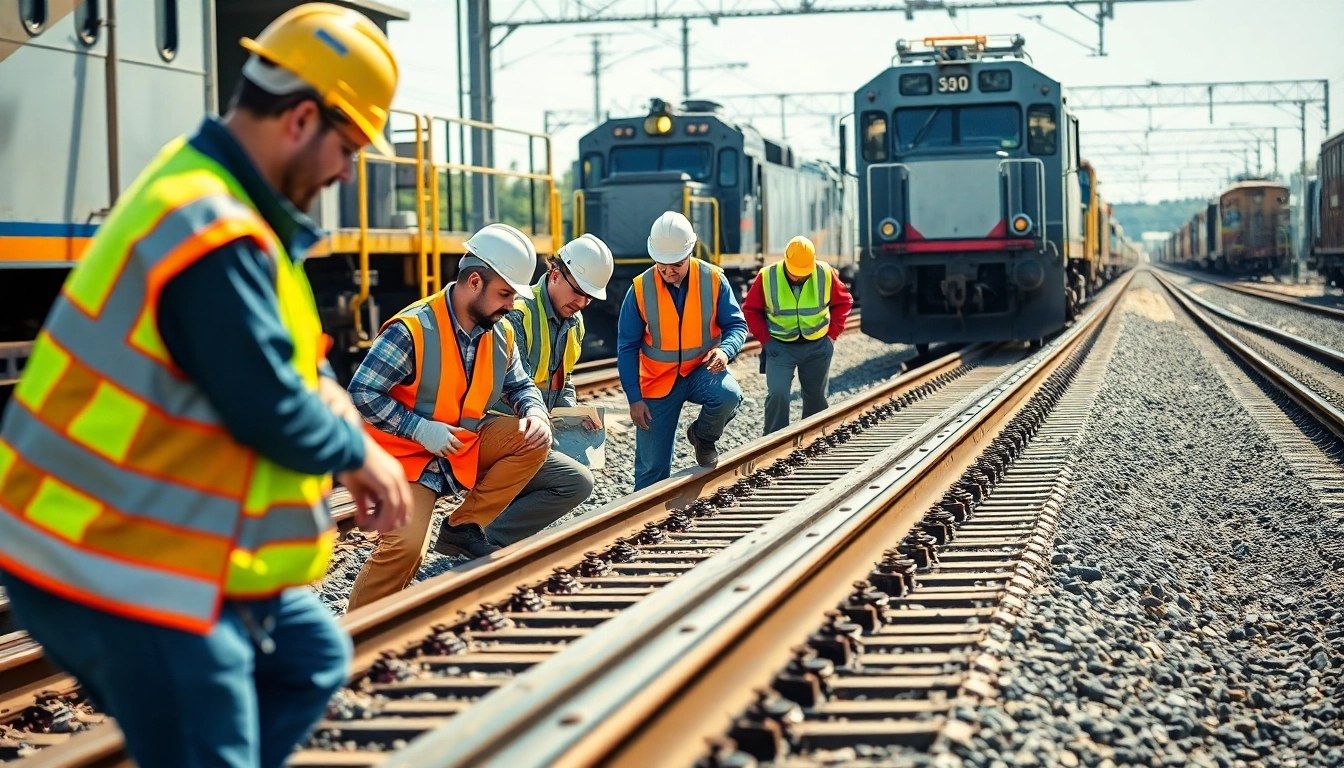
Railroad contractors are specialized firms or professionals engaged in the construction, maintenance, and repair of railroad infrastructure. Their scope typically encompasses various components such as tracks, bridges, signals, and stations. They play a crucial role in ensuring that rail systems operate efficiently and safely, handling both large-scale projects like the construction of rail lines and smaller tasks such as routine maintenance checks. Ultimately, the contributions of Railroad Contractors serve as the backbone of rail operations, facilitating the seamless flow of goods and passengers across vast networks.
Key Responsibilities of Railroad Contractors
Railroad contractors are tasked with a variety of responsibilities. Their key duties include:
- Construction of Rail Infrastructure: This includes laying tracks, building bridges, and erecting stations.
- Maintenance and Repairs: Routine checks and repairs are essential for operational safety and efficiency.
- Project Management: Overseeing project logistics, including scheduling, budgeting, and personnel management, ensuring projects are completed on time and within budget.
- Safety Compliance: Adhering to safety regulations and industry standards while using appropriate safety measures.
Importance of Collaboration in Projects
Collaboration is paramount in railroad projects. Railroad contractors often work alongside various stakeholders, including governmental agencies, engineers, and local communities. Effective communication ensures that the project scope aligns with regulatory requirements and community needs. Furthermore, collaboration fosters innovation, enabling contractors to incorporate advanced technologies and methodologies that enhance efficiency and safety in projects.
Challenges Faced by Railroad Contractors
Weather-Related Disruptions
Weather can significantly disrupt construction schedules. Adverse conditions like heavy rain, snow, or extreme temperatures can halt work and pose safety risks. To mitigate these issues, contractors often implement strategic planning techniques, utilizing weather forecasts to anticipate disruptions and adjust timelines accordingly. Effective project management can minimize delays and ensure that resources are utilized efficiently even when faced with unpredictable weather patterns.
Regulatory Compliance Issues
Railroad contractors must navigate a complex web of regulations at both the federal and state levels. Compliance with safety standards, environmental regulations, and labor laws is not only essential for legal operation but also integral for public trust. To tackle compliance challenges, contractors often employ legal experts and conduct comprehensive training for employees on regulations and safety protocols. Regular audits and inspections can further ensure adherence to compliance standards.
Resource and Material Management
Efficient resource management is vital for successful project execution. Railroad contractors must manage materials, labor, and equipment to avoid delays and stay within budget. This involves establishing strong relationships with suppliers, implementing inventory management systems, and employing skilled labor. Adopting just-in-time delivery strategies can also help minimize excess inventory and reduce carrying costs, ensuring that projects proceed smoothly.
Best Practices for Railroad Contractors
Adopting Advanced Construction Techniques
Modern construction techniques can significantly enhance project outcomes. These techniques include modular construction and prefabrication, which can reduce on-site construction time and improve quality control. By utilizing cutting-edge methods, contractors can efficiently manage project timelines while ensuring structural integrity.
Ensuring Safety Standards
Establishing a culture of safety is paramount in every railroad project. Contractors should conduct regular safety training and drills, ensuring that all personnel are well-versed in safety protocols. Using technology such as real-time monitoring systems can improve safety compliance, allowing for immediate responses to potential issues and enhancing overall workplace safety.
Utilizing Technology for Efficiency
Technology plays an increasingly important role in railroad construction and maintenance. Contractors are leveraging innovative solutions such as project management software, Building Information Modeling (BIM), and data analytics to improve project planning and execution. By using these tools, contractors can enhance communication, streamline workflows, and achieve higher efficiency throughout the project lifecycle.
Key Metrics for Assessing Railroad Contractors' Performance
Evaluating Project Timeliness
One of the most critical performance metrics for railroad contractors is project timeliness. Evaluating how well projects adhere to their timelines can provide insights into the efficiency of planning, execution, and resource allocation. Metrics might include the percentage of projects completed on schedule or average delays experienced per project. Timeliness directly correlates with cost efficiency and overall satisfaction among stakeholders.
Monitoring Cost Efficiency
Cost efficiency is another vital metric; contractors should track budget adherence by comparing estimated versus actual costs. This analysis helps identify spending patterns and areas for improvement, enabling future projects to be managed more effectively. Establishing clear budgeting practices and engaging in continuous financial monitoring can enhance overall project profitability.
Customer Satisfaction Metrics
Customer satisfaction is a key indicator of a contractor's success. Engaging clients through surveys and feedback mechanisms can offer critical insights into their experience. Metrics may include response times, quality of work, and the likelihood of recommendations. Satisfied customers are more likely to establish repeat business and foster a positive reputation within the industry.
Future Trends for Railroad Contractors
Embracing Sustainability Practices
As environmental awareness grows, the push for sustainable practices in construction intensifies. Railroad contractors are increasingly adopting eco-friendly materials, sustainable sourcing, and energy-efficient technologies to meet regulatory standards and public expectations. Implementing sustainable practices not only helps reduce environmental impact but can also lead to cost savings in the long run.
Impact of Automation and AI
The influence of automation and Artificial Intelligence (AI) is revolutionizing the railroad sector. These technologies can enhance efficiency through automated machinery, predictive maintenance analytics, and streamlined project management systems. As contractors embrace these advancements, they will likely experience significant improvements in productivity and safety across projects.
Growth of High-Speed Rail Projects
High-speed rail projects are emerging as a significant focus within the rail industry, driven by increasing demand for rapid transit. Railroad contractors will play a critical role in these developments, which require specialized expertise and innovative construction techniques. As global populations continue to grow and urbanize, the demand for efficient rail systems will only increase, presenting ample opportunities for contractors.
FAQs about Railroad Contractors
What do railroad contractors do?
Railroad contractors provide construction, maintenance, and repair services for railroad infrastructure, including tracks and stations.
How do railroad contractors ensure safety?
They implement rigorous safety protocols, conduct regular training, and employ technologies like real-time monitoring to maintain safety standards.
What are the biggest challenges for railroad contractors?
They face challenges like weather disruptions, regulatory compliance, and efficient resource management, requiring strategic planning and adaptability.
How is technology changing railroad contracting?
Technology enhances efficiency through project management software, automation, and AI, improving project execution and safety compliance.
What is the future of railroad contracting?
The future includes a focus on sustainability, advanced construction methods, and the expansion of high-speed rail networks, creating new opportunities.
Contact Information
Call Us: (855) 920-8722Email: [email protected]Address: 3950 Fossil Creek Boulevard, Suite 106 Fort Worth, TX 76137