Understanding Double Glazed Windows
What Are Double Glazed Windows?
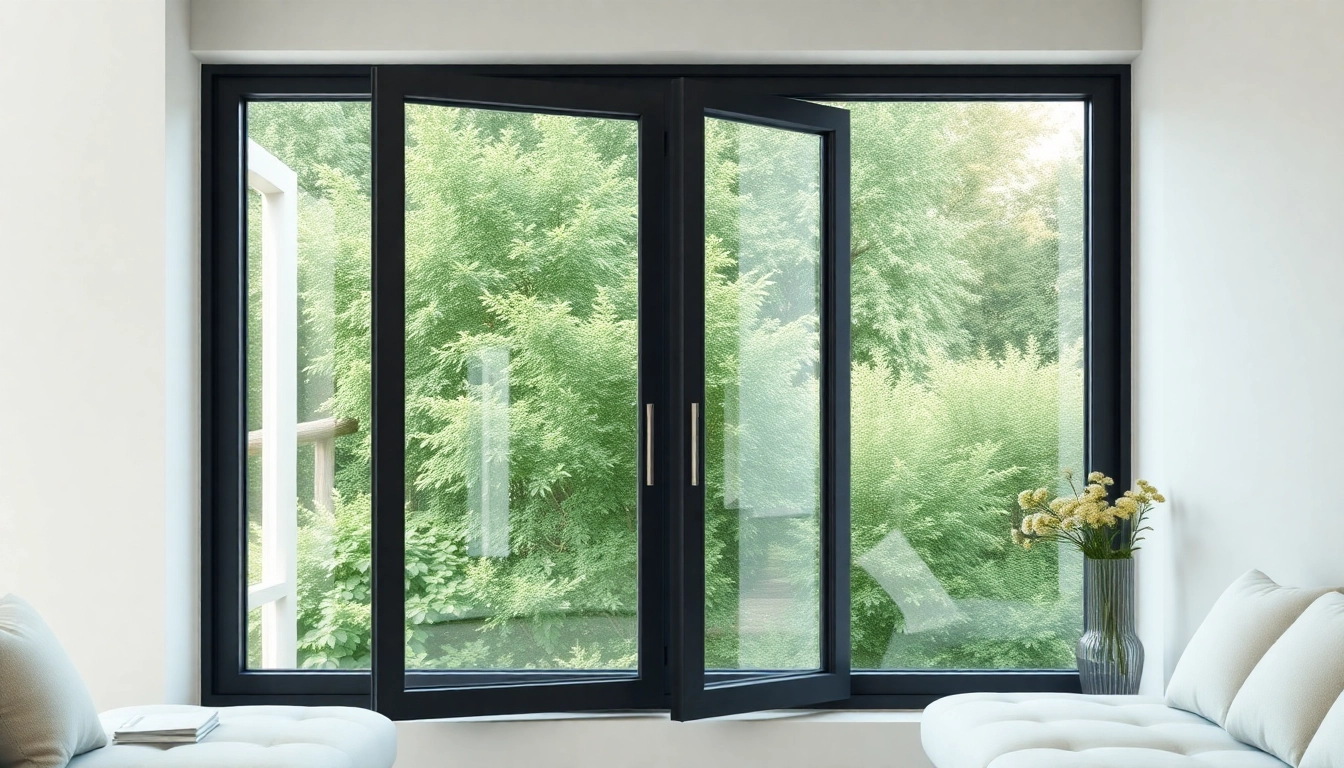
Double glazed windows, commonly known as insulated glazing, consist of two panes of glass sealed together, often with an inert gas like argon in between. This design significantly enhances thermal insulation compared to single-pane windows. Unlike traditional windows, which allow heat transfer and cold drafts, double glazed windows create a barrier that minimizes energy loss, enhancing comfort within living spaces. In addition to thermal benefits, they also offer better sound insulation, making them ideal for urban settings. For those looking to upgrade their home windows, double glazed windows represent a durable and efficient choice.
How They Work for Insulation
The insulating properties of double glazed windows stem from the space between the two glass panes, which contains either a vacuum or an insulating gas. The gas, typically argon or krypton, is less conductive than air, providing additional thermal resistance. When external temperatures fluctuate, this gas layer reduces heat transfer, keeping homes cooler in the summer and warmer in the winter. The effectiveness of this insulation is often measured in R-values, where a higher value indicates better insulation. A typical double glazed window has an R-value between 2 to 3, depending on its construction and the gas used. This superior performance can result in significant energy savings over time.
Key Features and Specifications
Double glazed windows come with various features that enhance their functionality. Key specifications include:
- Frame Material: Available in uPVC, aluminum, and timber, each offering different aesthetics and insulation qualities.
- Glazing Types: Options such as Low-E (low emissivity) glass which reflects heat back into the room while allowing light to pass through.
- Spacer Bars: These are used to separate the glass panes and can be made of materials like aluminum or warm-edge spacers that help minimize thermal bridging.
- Sound Insulation Ratings: The design and materials affect how well the windows reduce outside noise, which is crucial for city dwellings.
Benefits of Double Glazed Windows
Energy Efficiency and Cost Savings
One of the most compelling advantages of double glazed windows is their energy efficiency. By significantly reducing heat loss in winter and minimizing heat gain in summer, homeowners can enjoy lower energy bills. In fact, studies show that homes equipped with double glazed windows can see their energy consumption reduced by up to 20-30%. This not only leads to financial savings but also contributes to reducing carbon footprints, making a positive impact on the environment.
Enhanced Comfort and Noise Reduction
The dual-pane design of double glazed windows not only serves to regulate temperature but also acts as a barrier against sound. This feature is particularly beneficial for homes located near bustling streets or airports. The reduction in noise levels can improve overall comfort in the home, allowing for a more peaceful living environment. Homeowners often report a noticeable difference in sound levels after installing double glazed windows, making this an essential consideration for those living in high-noise areas.
Environmental Impact and Sustainability
In addition to energy efficiency, double glazed windows contribute to a home's sustainability. With the ability to maintain comfortable indoor temperatures with less reliance on heating and cooling systems, they support a reduction in energy use. Moreover, many manufacturers are adopting eco-friendly practices in the production of double glazed windows, utilizing sustainable materials and recycling methods. This dual benefit of cost savings and environmental stewardship makes double glazed windows a responsible choice for environmentally conscious homeowners.
Common Misconceptions About Double Glazed Windows
Are They Worth the Investment?
While the initial cost of double glazed windows may be higher than that of single-pane alternatives, the long-term benefits outweigh these upfront expenses. Homeowners can expect a return on investment through reduced energy bills, increased property value, and improved comfort. Additionally, many regions offer incentives and rebates for improving energy efficiency, further offsetting the costs. Thus, double glazed windows are indeed worth the investment for most households.
Maintenance and Durability Concerns
Some homeowners worry about the maintenance and durability of double glazed windows. However, these windows are designed to be both durable and low-maintenance. The frames can often be cleaned easily, and most double glazed units are built to last for decades with minimal degradation. Regular inspections ensure that seals remain intact, which is key to maintaining their performance. Properly installed and maintained, double glazed windows can exceed a lifespan of 20 years.
Compatibility with Home Styles
A common misconception is that double glazed windows aren't suitable for older homes or specific architectural styles. In reality, many manufacturers now offer a range of designs that can complement traditional aesthetics. Options like slimline frames and classic wood finishes enable homeowners to enjoy the benefits of double glazing while maintaining the character of their property. Consulting with a professional can help in selecting the most appropriate style for aesthetic and functional needs.
Choosing the Right Double Glazed Windows
Types Available in the Market
The market offers various types of double glazed windows catering to different design preferences and performance needs. Common types include:
- Casement Windows: Hinged on one side, allowing for maximum ventilation.
- Sash Windows: Traditional style that slides vertically, popular in historical homes.
- Bay Windows: Expanding living space and allowing more natural light.
- Fixed Windows: Non-opening windows ideal for maximizing views and natural light.
Sizing and Fitting Considerations
When selecting double glazed windows, proper sizing and fitting are critical for optimal performance. Homeowners should ensure accurate measurements of existing window frames and consider factors such as the building's orientation, local climate, and energy efficiency goals. Engaging with professional installers not only guarantees correct sizing but also ensures proper sealing and insulation during installation, minimizing the chances of future issues.
Cost Factors and Budgeting
The cost of double glazed windows varies widely based on material, style, size, and additional features like energy-efficient glazing or decorative elements. On average, homeowners can expect to pay between £700 to £1,800 per window, depending on specifications. Budgeting for installation costs is essential, as proper installation can significantly influence performance and longevity. Additionally, exploring financing options or energy efficiency grants can provide more flexibility in managing expenses.
Frequently Asked Questions About Double Glazed Windows
What are the disadvantages of double glazed windows?
Some disadvantages include higher initial costs, potential for trapped heat leading to overheating in summer, and difficulty in repair if damaged. They might also not fit older home designs well.
How much should a double glazed window cost?
The cost generally ranges from £700 to £1,800 per unit, influenced by size, frame material, and installation requirements. It's important to consider both upfront and long-term savings.
What's the difference between double-pane and double-glazed windows?
The terms are often interchangeable; however, double-glazed refers specifically to the unit with two glass panes and a spacer filled with gas, while double-pane simply describes the number of glass layers.
Can double glazed windows reduce noise?
Yes, the insulating properties of double glazed windows significantly reduce external noise, creating a quieter indoor environment. This makes them ideal for homes located in busy areas.
Are double glazed windows energy efficient?
Absolutely! Double glazed windows provide substantial energy savings by minimizing heat loss in winter and heat gain in summer, making homes more energy-efficient overall.