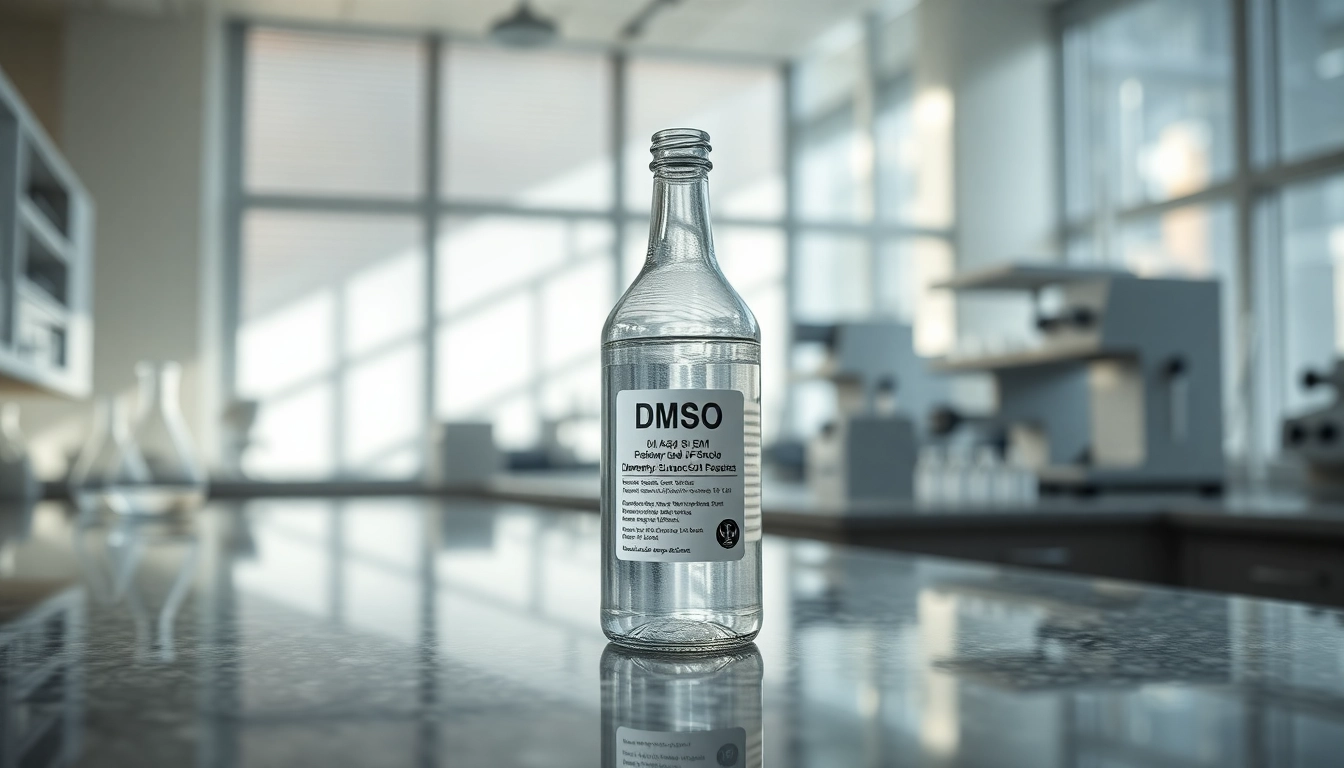
What is DMSO?
DMSO, or Dimethyl Sulfoxide, is a multifaceted organosulfur compound known for its unique properties and applications. With the chemical formula (CH3)2S=O, DMSO is a colorless liquid that stands out as the most widely used sulfoxide in various industrial and medical applications. Its ability to penetrate biological membranes easily and dissolve a wide range of substances enhances its utility in fields such as medicine and research. For further information and resources on DMSO, you can visit dmso.
Overview of DMSO Chemical Properties
DMSO has unique chemical properties that make it suitable for diverse applications. As a polar aprotic solvent, it effectively dissolves both organic and inorganic compounds. Its high dielectric constant allows it to stabilize charged particles, greatly facilitating numerous chemical reactions. Furthermore, DMSO has a high boiling point of 189 °C, low toxicity, and low odor, making it safer than many other solvents used in both laboratory and industrial settings. It is hygroscopic, meaning it can absorb moisture from the environment, which enhances its versatility but requires careful storage.
Historical Significance of DMSO
DMSO was discovered over 150 years ago, initially used as a solvent in laboratory settings. However, its historical significance surged in the 1960s when researchers began to explore its potential medicinal properties. It was found to effectively penetrate the skin and was considered a promising candidate for drug delivery. Due to its anti-inflammatory and analgesic properties, DMSO quickly gained attention as an alternative treatment for various conditions, including arthritis and sports injuries. Nonetheless, its approval as a treatment by regulatory bodies has been controversial, leading to mixed perceptions regarding its application in medicine.
Common Uses of DMSO
The versatility of DMSO is evident in its wide range of applications. In the industrial sphere, DMSO serves primarily as a solvent in chemical reactions. In pharmaceuticals, it acts as a carrier for drugs, enhancing their absorption and efficacy in the body. DMSO is also employed in the formulation of topical medicinal products, owing to its ability to penetrate the skin. In agricultural research, it is used as a cryoprotectant for frozen biological samples. Additionally, many people use DMSO in alternative medicine practices, promoting it as a remedy for everything from joint pain to skin conditions.
Medical Benefits of DMSO
DMSO for Pain Relief
One of the most recognized benefits of DMSO is its capacity to alleviate pain. Various clinical studies suggest that when applied topically, DMSO can significantly reduce the pain associated with conditions such as osteoarthritis and rheumatoid arthritis. Its anti-inflammatory properties help reduce swelling, thereby enhancing mobility and improving patient comfort. Moreover, athletes often utilize DMSO to help manage pain resulting from injuries or intensive training, sometimes applying it before and after physical activity to mitigate discomfort.
DMSO and Inflammation Management
Inflammation is a common underlying factor in many chronic diseases. DMSO has been recognized for its ability to manage inflammation due to its interaction with inflammatory processes at the cellular level. By inhibiting the action of inflammatory mediators, DMSO can alleviate symptoms related to inflammation. This property makes DMSO particularly appealing for treating conditions such as tendonitis, bursitis, and muscle strains, providing relief while also potentially speeding up recovery times.
Research on DMSO Effects on Cancer
Research exploring DMSO's potential anti-cancer properties has yielded intriguing results. Initially studied as a possible adjunct therapy, DMSO has demonstrated the capability to enhance the efficacy of certain chemotherapy drugs while minimizing their toxic side effects. Clinical trials indicate that DMSO may help improve the delivery of chemotherapeutic agents directly into cancer cells. However, it's crucial to note that while the findings are promising, DMSO is not a standalone cure for cancer, and its use should be approached with caution and in conjunction with professional medical advice.
Understanding DMSO Applications
How to Use DMSO Effectively
To use DMSO effectively, it is essential to understand its methods of application. DMSO is commonly used topically, diluted with water or other safe solvents to minimize skin irritation. Users can apply it directly to the affected area, ensuring the skin is clean and free of irritants beforehand. Additionally, when using DMSO as a carrier for other medications, it is critical to consult with healthcare professionals to ensure compatibility and avoid adverse interactions. As with any therapeutic substance, proper dosing guidelines should be adhered to, and it’s advisable to conduct patch tests to check for sensitivity.
DMSO in Sports Medicine
In the realm of sports medicine, DMSO has carved out a niche as a valuable agent for injury management. Athletes frequently turn to DMSO for its rapid pain-relieving qualities and its ability to foster quicker recovery times from joint and muscle injuries. Some studies suggest that DMSO may help reduce post-exercise soreness, making it a go-to product for professional and amateur athletes alike. However, its application in sports medicine is often subject to scrutiny, and athletes must remain informed about regulations governing its use in competitive environments.
Topical vs. Inhalation Uses of DMSO
DMSO can be utilized through various methods, predominantly as a topical agent or through inhalation. Topical application is the most common, allowing localized treatment for pain and inflammation. Inhalation, although less common, is being explored in research contexts to facilitate drug delivery for respiratory ailments. Each method has its guidelines and precautions, and users should seek expert advice to navigate these avenues safely. Notably, while topical use often yields immediate effects, inhalation may require specialized protocols and equipment.
Risks and Precautions of Using DMSO
Potential Side Effects of DMSO
Despite its substantial benefits, DMSO is not without potential side effects. Some users may experience skin reactions, such as burning or itching, especially with excessive use or improper dilution. More serious reactions, such as headaches or gastrointestinal discomfort, can occur, although they are relatively rare. It is vital for individuals to start with smaller doses and monitor their body's response to avoid complications. Consulting with a healthcare provider before beginning treatment can provide valuable insights into managing risks effectively.
Debunking Myths Around DMSO
The multifaceted nature of DMSO has led to many myths and misconceptions regarding its safety and efficacy. A common myth is that DMSO acts as a cure-all for various ailments, which can mislead users. In reality, while DMSO has valuable therapeutic properties, it is not universally applicable for all health issues. It is important to approach DMSO with a realistic perspective, recognizing its benefits and limitations, and relying on scientific evidence rather than anecdotal claims.
Legal Status of DMSO in Medicine
The legal status of DMSO varies by region and its intended use. While DMSO is widely regarded as safe for topical use and is approved for certain medical conditions, like interstitial cystitis, it is not approved for all medical applications by regulatory bodies. Patients should consult with healthcare professionals about the legality and appropriateness of using DMSO for their specific conditions, understanding that self-medication without guidance can carry risks.
FAQs About DMSO
Can DMSO be used topically?
Yes, DMSO can be used topically to reduce pain and inflammation. It's important to ensure skin is clean before application and to consider any potential reactions.
Is DMSO approved for human use?
DMSO is approved for specific medical uses, such as treating interstitial cystitis. Other uses may not be FDA-approved, so consultation is recommended.
What are the safety concerns with DMSO?
Potential side effects include skin irritation and systemic reactions. Proper usage and medical guidance can help mitigate these risks.
How should DMSO be stored?
DMSO should be stored in a cool, dry place away from direct sunlight and children. Proper sealing helps prevent contamination or degradation.
Are there alternative uses for DMSO?
Yes, beyond pain relief, DMSO is used in laboratories as a solvent and in cryopreservation. Its versatility extends to various fields of research.