Understanding Surfacing Solutions
In the realm of interior design and architecture, surfacing solutions play a pivotal role in the aesthetics, function, and durability of spaces. These solutions encompass a variety of materials and techniques used to enhance surfaces, offering both visual appeal and practical benefits.
What are Surfacing Solutions?
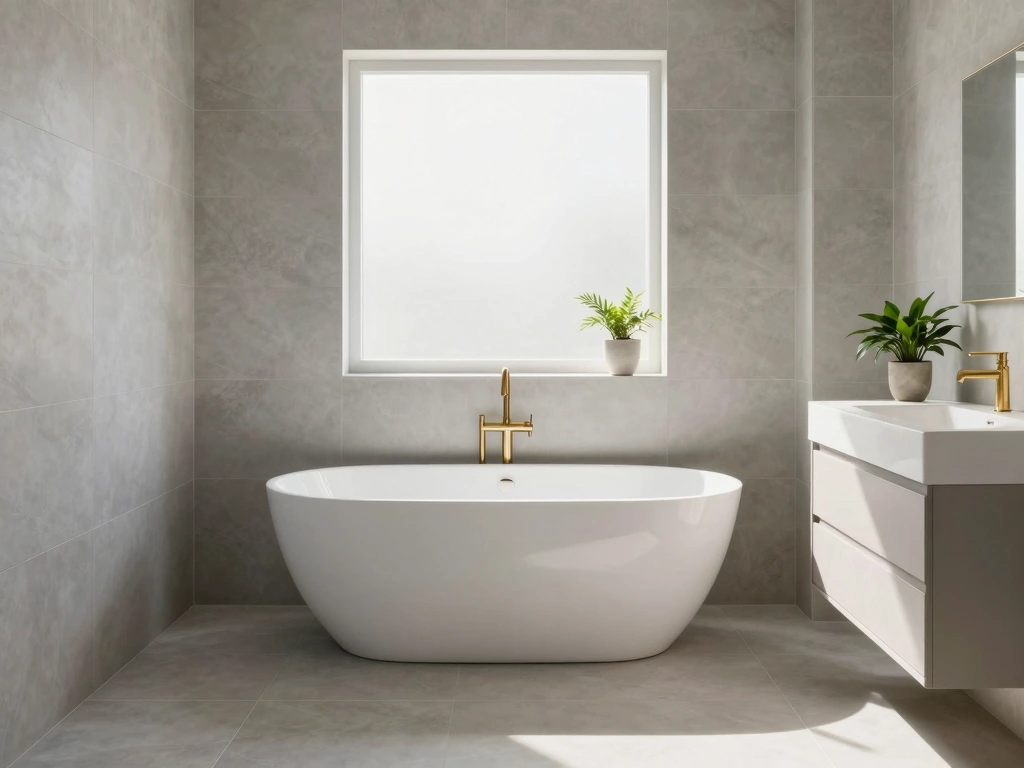
Surfacing solutions refer to the diverse range of materials and methodologies employed to cover, decorate, or restore surfaces. They can transform areas in homes and commercial spaces alike, offering an array of textures, colors, and finishes that cater to specific design needs. Whether it's for walls, floors, ceilings, or furniture, surfacing solutions can significantly impact a space's overall ambiance.
Types of Surfacing Solutions Available
There are numerous surfacing options available today. Key types include:
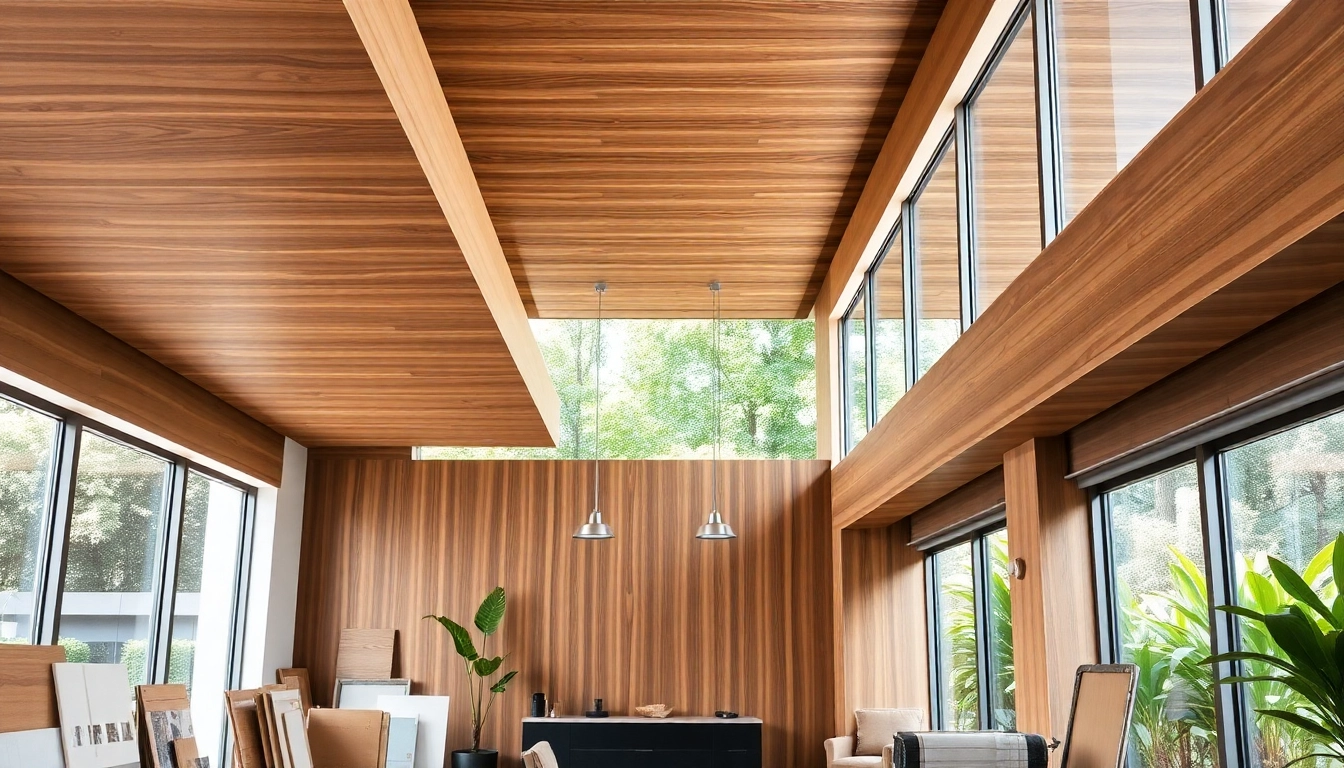
- Wood Panels: Ideal for warmth and sophistication, wood panels can be used on walls and ceilings, found in various finishes from natural to stained.
- Laminate: A cost-effective solution that mimics the appearance of wood or stone, laminate is versatile and easy to maintain.
- Vinyl: Often used in high-traffic areas, vinyl surfacing is durable, water-resistant, and available in a multitude of designs.
- Stone or Concrete: For an industrial or natural feel, stone and concrete surfacing offers unmatched durability and a unique aesthetic.
- Textile Covers: Fabrics can add softness and texture to walls and furniture, providing acoustic benefits in addition to visual appeal.
Benefits of Using Quality Materials
Opting for high-quality surfacing materials carries numerous advantages:
- Longevity: Premium materials tend to last longer, reducing the need for replacements.
- Maintenance: Quality surfaces often require less maintenance, equating to less time and money spent over the surface's lifespan.
- Aesthetic Value: High-quality materials enhance the visual appeal and overall aesthetic of a space, making it more inviting.
- Performance: Durable materials perform better under stress, reducing the likelihood of damage or wear.
- Health Impact: Non-toxic, sustainably sourced materials can improve indoor air quality and contribute to a healthier living environment.
Choosing the Right Surfacing Solutions for Your Project
Assessing Your Space and Needs
The first step in selecting the appropriate surfacing solutions is to thoroughly assess your space. Consider the following factors:
- Functionality: Determine how the space will be used. High-traffic areas, for instance, may benefit from more durable options.
- Style: Align the surfacing solution with the overall style of the home or business to create a cohesive look.
- Environment: Consider moisture levels, lighting, and climate, as these factors impact material performance.
Material Considerations
When choosing materials, consider the following aspects:
- Sustainability: Look for materials that are sustainably sourced to minimize environmental impact.
- Allergies: If you have allergies, select hypoallergenic options that avoid harmful chemicals.
- Insulation: Some materials provide better insulation, contributing to energy efficiency.
Functional vs. Aesthetic Choices
Balancing functionality and aesthetics is crucial in your decision-making process. While some materials may offer superior functionality, they may not fit the desired aesthetic. Consider the context of your space and strive for harmony between both aspects.
Installation of Surfacing Solutions
Preparation Steps for Successful Installation
Successful installation begins with careful preparation:
- Measurement: Accurately measure the area to ensure that you purchase enough materials.
- Surface Preparation: Prep the underlying surface by cleaning and repairing any damage.
- Planning: Develop a clear plan for installation, including lay-out and sequence of application.
Best Practices for DIY Installation
If you're opting for a DIY installation, keep these best practices in mind:
- Follow Manufacturer Instructions: Ensure you adhere to the specific guidelines provided for the material you are using.
- Use the Right Tools: Having the correct tools will make the process smoother and more efficient.
- Take Your Time: Rushing can lead to mistakes; proceed at a pace that allows for careful work.
When to Hire Professionals
Some projects may be best handled by professionals, particularly those that involve:
- Complex Designs: Intricate patterns or specialized installations may require expert skills.
- Safety Concerns: Projects involving heavy materials or components that could pose safety risks are ideal for professionals.
- Time Constraints: If you're short on time, hiring a professional can expedite the installation process.
Maintaining Your Surfacing Solutions
Cleaning and Care Guidelines
Proper maintenance is key to prolonging the life of your surfacing solutions. Here are some guidelines:
- Regular Dusting: Keep surfaces free of dust to avoid buildup that can affect appearance.
- Gentle Cleaning: Use mild, non-abrasive cleaners to protect the finish of your surfaces.
- Immediate Cleaning of Spills: Promptly address spills to prevent staining or damage.
Repairing Common Issues
Over time, you may encounter issues like scratches or dents. Here’s how to address them:
- Scratch Repair: Use a wood repair marker or wax filler for minor scratches.
- Dent Fixes: For small dents, steaming the area can sometimes restore the surface.
- Loose Edges: Reapply adhesive to secure loose edges or separations as needed.
Extending the Lifespan of Your Panels
To maximize the lifespan of your surfacing solutions:
- Maintain Temperature and Humidity: Extreme fluctuations can damage materials; keep conditions stable.
- Avoid Direct Sunlight: Prolonged exposure can fade colors and weaken materials; use window treatments to protect surfaces.
- Periodical Inspections: Regularly check for signs of wear or damage to address issues before they become significant.
FAQs about Surfacing Solutions
What materials are commonly used in surfacing solutions?
Common materials include wood, laminate, vinyl, and stone, each catering to different aesthetic and functional needs.
Can surfacing solutions be used in commercial settings?
Yes, surfacing solutions are suitable for both residential and commercial environments, enhancing both function and appearance.
How do I choose the right surfacing solution for my home?
Consider style, budget, and specific project requirements to select the ideal surfacing solution for your needs.
Are surfacing solutions eco-friendly?
Many surfacing solutions can be sourced sustainably, making them an eco-friendly choice for environmentally conscious consumers.
How should I maintain surfacing solutions?
Regular cleaning with mild products and avoiding harsh chemicals will help maintain their appearance and longevity.