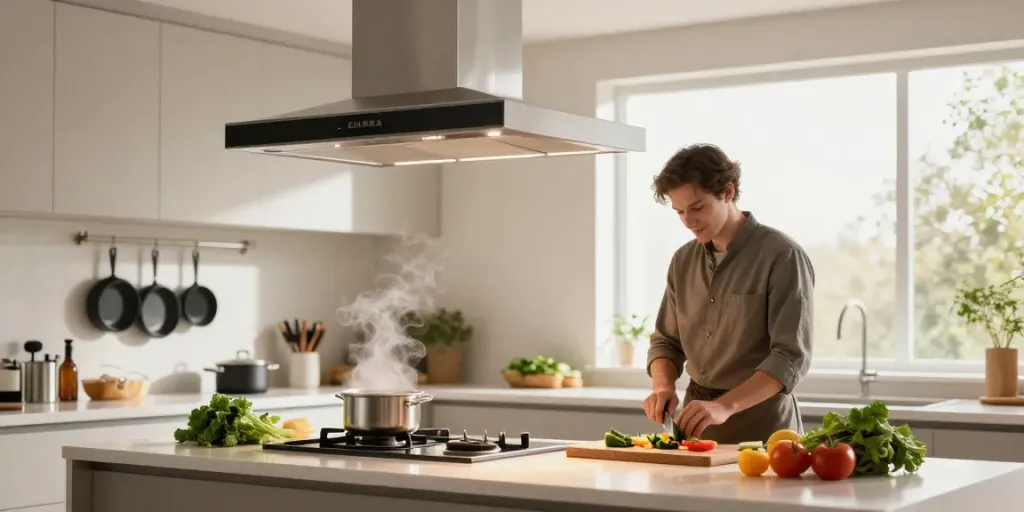
Understanding the Importance of a Cooker Hood
A cooker hood is an essential appliance in any modern kitchen, playing a significant role in maintaining air quality and enhancing cooking experiences. Often overlooked, the installation of a high-quality cooker hood can transform not only the visual aesthetics of your kitchen but also its functionality. By removing smoke, odors, and airborne grease particles while cooking, a cooker hood ensures a clean and comfortable culinary environment. For those exploring options, cooker hood models come equipped with various features tailored to all cooking styles.
What Does a Cooker Hood Do?
The primary function of a cooker hood is to ventilate the kitchen by eliminating unwanted odors, smoke, and airborne grease. This is particularly important in modern kitchens where open-concept designs are popular, allowing for seamless transitions between cooking and entertaining space. Cooker hoods work by using a fan to pull air through a filter, effectively capturing and expelling contaminants. Depending on the model, they can either vent the air outside or filter and recirculate it back into the kitchen.
Benefits of Using a Cooker Hood in Your Kitchen
- Improved Air Quality: By removing smoke and odors, a cooker hood contributes significantly to better indoor air quality, making your kitchen a healthier space.
- Enhanced Comfort: Cooking can generate a lot of heat and humidity. Cooker hoods help to combat this, allowing for a more comfortable cooking environment.
- Protection for Kitchen Surfaces: Grease and moisture can damage kitchen surfaces over time. A cooker hood helps to minimize this damage by reducing airborne grease.
- Style and Aesthetics: With a variety of designs and finishes, cooker hoods can add a stylish focal point to your kitchen.
Common Misconceptions about Cooker Hoods
Many homeowners do not realize the importance of a cooker hood, often believing that they're not necessary if they have a window open or if their kitchen has sufficient ventilation. However, while natural ventilation can help, it is seldom enough to eliminate all contaminants. Moreover, some people may think that all cooker hoods are noisy; however, modern designs have become quieter and more efficient. Finally, there’s a misconception that cooker hoods are a luxury rather than a necessity. In reality, they are essential for maintaining a pleasant and safe cooking environment.
Types of Cooker Hoods and Their Features
Vented vs. Recirculating Cooker Hoods
When choosing a cooker hood, one of the first decisions is whether to go with a vented or recirculating model. Vented cooker hoods direct air outside, which is ideal for removing pollutants from your kitchen entirely. On the other hand, recirculating cooker hoods filter the air using charcoal or grease filters and then recirculate it back into the kitchen. Both types have their advantages and disadvantages; the choice largely depends on kitchen layout, cooking habits, and local building codes.
Essential Features to Look For in a Cooker Hood
Today’s cooker hoods come equipped with a range of features designed for comfort and efficiency. Some of the most important aspects to consider include:
- Extraction Power: Measured in cubic meters per hour (m³/h), this indicates how much air the hood can expel. Higher extraction power is essential for heavy cooking or larger kitchens.
- Noise Level: Measured in decibels (dB), quieter models are preferable, especially for open-plan kitchens.
- Filters: Consider whether the filters are easily replaceable and if they can be cleaned. Charcoal filters are ideal for recirculating hoods, while grease filters are essential for vented models.
- Lighting: Integrated LED lights can enhance visibility while cooking, making the experience safer and more enjoyable.
- Controls: Touch controls and remote controls can add convenience, allowing users to operate the hood easily.
Comparing Sizes: 60cm vs. 90cm Cooker Hoods
Size matters when selecting a cooker hood; the right dimensions depend on your cooking surface and kitchen layout. A 60cm cooker hood is typically suitable for smaller kitchens or gas stoves, whereas a 90cm model is better suited for larger hobs or kitchen islands. Additionally, the wider the cooker hood, the more effective it will be at capturing smoke and odors from the cooking area. Homeowners should consider the size of their cooking appliances to ensure adequate coverage and efficiency.
Selecting the Right Cooker Hood for Your Kitchen
How to Choose the Best Cooker Hood for Your Space
Choosing the right cooker hood requires careful consideration of multiple factors, including kitchen size, cooking habits, and ventilation options. Begin by assessing the type of cooking you do. For instance, if you frequently cook with high heat or produce a lot of steam, a model with higher extraction power may be necessary. Also, evaluate whether your kitchen allows for external venting, which would influence your choice between vented and recirculating options.
Power Ratings and Extraction Capacities Explained
The extraction capacity of a cooker hood is crucial for effective ventilation. Generally, a hood's power rating should be at least 10 times the size of the cooking surface. For example, if you have a 4-burner stove that measures about 60cm, a hood with a minimum extraction capacity of 600m³/h would be ideal. Understanding this metric can help homeowners make informed decisions about the right cooker hood for their needs.
Best Practices for Cooker Hood Installation
Proper installation is vital for ensuring that your cooker hood functions optimally. Here are some best practices:
- Ensure the hood is installed at the recommended height above the cooking surface, typically around 65-75cm for gas stoves, and 55-65cm for electric hobs.
- Use the correct duct size if venting outside to maximize airflow.
- Make sure to seal connections to avoid any leaks that can diminish the efficiency of your hood.
- Regularly check and replace filters to maintain optimal performance.
Maintenance and Care for Cooker Hoods
How to Clean and Maintain Your Cooker Hood
Regular maintenance is essential for keeping your cooker hood functioning effectively. Start by removing and cleaning grease filters every one to two months. Many filters are dishwasher safe, making this task easier. Additionally, wipe down the exterior of the hood with a damp cloth and mild detergent to prevent grease buildup, which can lead to unpleasant odors and reduced efficiency.
Signs It's Time to Replace Your Cooker Hood
Recognizing when it’s time to replace your cooker hood can save you from inefficient airflow and poor air quality. Signs include strange noises during operation, decreased extraction efficiency, or visible damage to the hood. If cleaning does not improve efficiency, it may be time to consider purchasing a new unit.
Professional Insights on Cooker Hood Longevity
The lifespan of a cooker hood varies depending on usage and maintenance, but most models can last between 10 to 15 years. Professional recommendations include investing in a higher-end model that utilizes quality materials and efficient motors, as this often translates to longevity and improved performance over time.
Future Trends in Cooker Hood Technology for 2026
Innovations in Cooker Hood Design and Functionality
The cooker hood market is evolving with significant technological advancements, offering smart features such as connectivity to home networks and voice control capabilities. Innovations are also focusing on energy efficiency, with models designed to consume less power while maintaining high performance.
Energy Efficiency Trends in Cooker Hoods
As sustainability becomes a focal point in modern appliance design, energy-efficient cooker hoods are gaining popularity. Look for models that carry an A+++ rating, which indicates superior energy performance. These models not only reduce energy consumption but also provide effective ventilation without generating excess noise.
Smart Cooker Hoods: The Rise of IoT in Kitchen Appliances
Smart cooker hoods are now equipped with IoT technology, allowing users to control functions via smartphone apps or voice-activated devices. Features may include automatic adjustments based on cooking conditions and efficiency settings to minimize energy use. This integration is reshaping the kitchen experience, making it more intuitive and user-friendly.
What Are the Best 2026 Cooker Hood Models?
As you dive into the latest models available, consider brands that focus on user reviews and recommendations. Look for models with high extraction rates, modern designs, and integrated technology that aligns with your cooking habits. Notably, brands like CIARRA have introduced advanced cooker hoods that cater to a wide range of kitchen needs while promoting a sustainable approach to home cooking.