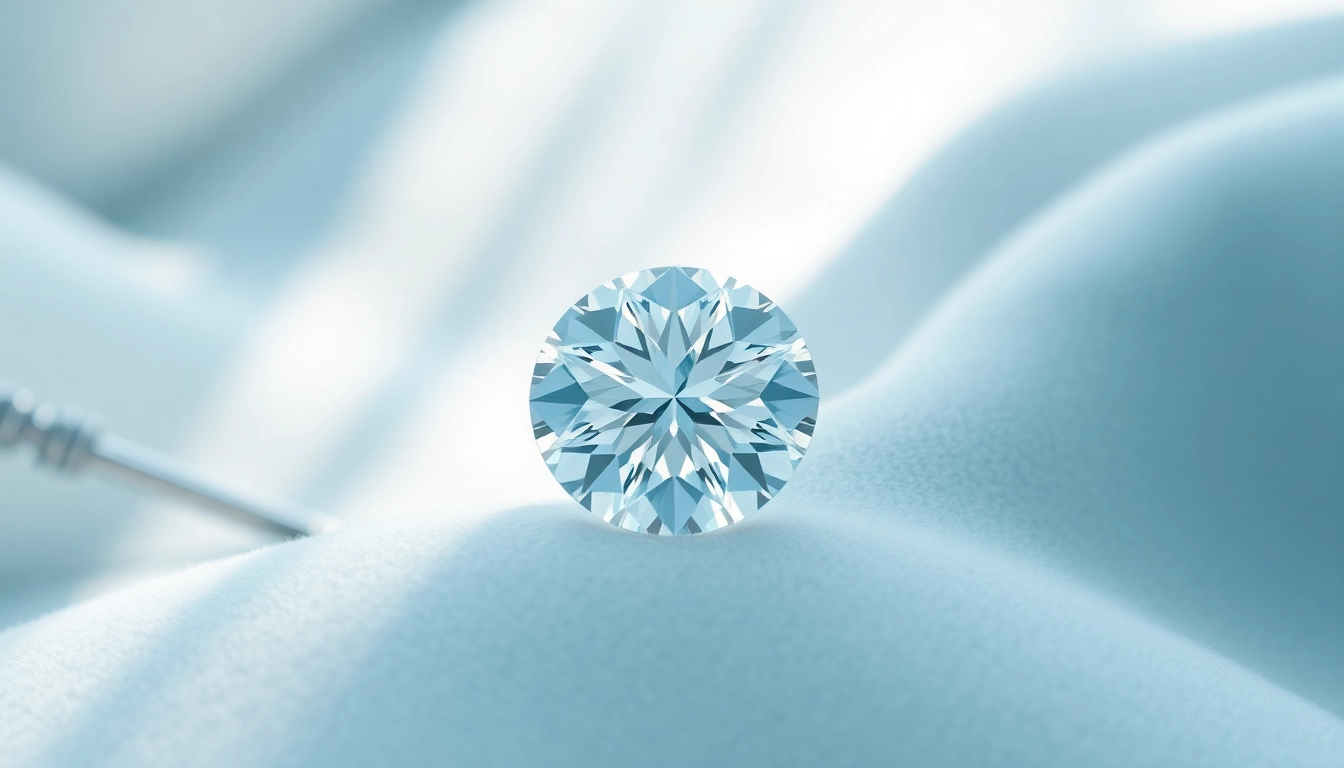
Understanding Lab Diamond
What is a Lab Diamond?
A Lab Diamond is a real diamond that is created in a laboratory environment through advanced technological processes. Unlike natural diamonds that are formed over millions of years deep within the Earth’s mantle, lab diamonds are produced in a matter of weeks. They are chemically, physically, and optically identical to their mined counterparts, which means they exhibit the same brilliance, fire, and scintillation. As a result, lab diamonds provide an ethical and sustainable alternative to traditional diamond sourcing.
How Lab Diamond is Made?
Lab diamonds are produced using two primary methods: High Pressure High Temperature (HPHT) and Chemical Vapor Deposition (CVD).
The HPHT method mimics the natural conditions under which diamonds are formed. A small diamond seed is placed in carbon and subjected to extreme heat and pressure, allowing the carbon to crystallize around the seed into a diamond.
The CVD method, on the other hand, involves placing the diamond seed in a chamber filled with carbon-rich gas. The gas is ionized to create plasma, which breaks down the gas molecules. Carbon atoms are deposited onto the seed, gradually forming a diamond layer by layer.
Comparing Lab Diamond and Natural Diamond
When comparing lab diamonds to natural diamonds, there are several important factors to consider:
- Origin: Lab diamonds are created in a controlled environment, while natural diamonds are excavated from the Earth.
- Cost: Lab diamonds can be significantly cheaper than natural diamonds, often costing 20-40% less for a similar size and quality.
- Environmental Impact: Lab diamonds are generally more eco-friendly, avoiding the environmental disruption associated with mining.
- Value Retention: While lab diamonds may not retain value the same way natural diamonds do, they are increasingly accepted in the market.
Benefits of Choosing Lab Diamond
Ethical Considerations
One of the most compelling reasons to choose a lab diamond is the ethical consideration. Lab diamonds are conflict-free, as they do not contribute to human rights abuses or environmental degradation associated with diamond mining. Consumers are becoming increasingly aware of the implications of their purchases, and lab diamonds provide an option that aligns with ethical standards.
Cost Advantages of Lab Diamond
The cost of lab diamonds presents significant advantages for consumers. You can typically purchase a lab diamond for 20-40% less than a comparable natural diamond. This cost-saving can allow buyers to select a larger or higher-quality stone for the same budget they would have for a natural diamond. Such financial flexibility is appealing for those planning engagement rings or significant jewelry purchases.
Quality and Aesthetics
Many people transitioning to lab-grown diamonds do so because of their superior quality. These diamonds are rigorously graded for cut, color, clarity, and carat weight just like mined diamonds. Moreover, lab diamonds can be created to have fewer inclusions or blemishes, which enhances their aesthetic appeal. With the same brilliance and sparkle, lab diamonds make for stunning jewelry options that are indistinguishable from mined counterparts when set.
Buying Guide for Lab Diamond
5 Key Factors to Consider
When purchasing a lab diamond, several critical factors must guide your decision:
- Cut: This refers to how well a diamond has been shaped and faceted, impacting its sparkle.
- Color: The less color a diamond has, the more valuable it is. Lab diamonds can range from colorless to shades of yellow.
- Clarity: This measures internal and external imperfections, with the most flawless stones considered the most desirable.
- Carat Weight: This measures how much a diamond weighs, with larger stones typically priced higher.
- Certification: Ensure your lab diamond comes with a certification from a reputable gemological laboratory.
Certifications and Grading
Just as with natural diamonds, lab diamonds also require proper certification to confirm their quality. Look for grading reports from established institutions such as the Gemological Institute of America (GIA) or the International Gemological Institute (IGI). These reports provide detailed information about the diamond's cut, color, clarity, and carat weight, lending credibility to the purchase.
Where to Buy Lab Diamond
Lab diamonds can be purchased from a variety of retailers including online jewelers, specialty stores, and in some cases, traditional brick-and-mortar jewelers. Online retailers often provide wider selections and competitive pricing, while local jewelers can offer opportunities to see the diamonds in person. Research retailers to ensure they are reputable and offer quality diamonds with the certifications mentioned above.
Caring for Your Lab Diamond
Cleaning Tips for Lab Diamond
To maintain the brilliance of your lab diamond, regular cleaning is essential. Use a mixture of warm water and mild soap, soak the diamond, and gently scrub with a soft toothbrush. Avoid harsh chemicals and ultrasonic cleaners that may damage the stone.
Storing Your Lab Diamond Properly
Store your lab diamond jewelry separately from other items to avoid scratches. Use a fabric-lined case or pouch designed for storing precious gems. Additionally, keep them in a cool, dry place to prevent moisture buildup.
Insurance and Protection for Lab Diamond
Consider insuring your lab diamond purchase to protect against loss, theft, or damage. Many jewelers offer insurance options, or you can explore independent insurance providers that specialize in jewelry. Document the purchase with certification and appraisals to facilitate the claim process if necessary.
Frequently Asked Questions about Lab Diamond
What is the lifespan of a lab diamond?
A lab diamond can last indefinitely if cared for properly, just like a natural diamond. It is durable and resistant to everyday wear.
Are lab diamonds less valuable than natural diamonds?
Lab diamonds typically have a lower market value than natural diamonds but offer similar quality and aesthetics. Their resale value may vary.
Can lab diamonds be recut or repurposed?
Yes, lab diamonds can be recut or repurposed, just like mined diamonds, making them versatile for future jewelry designs.
How do I identify a lab diamond?
Lab diamonds can be identified through their certification and, in some cases, expert testing that reveals growth patterns uncommon in natural diamonds.
Are lab diamonds environmentally friendly?
Yes, lab diamonds have a significantly lower environmental impact compared to traditionally mined diamonds, making them a sustainable choice.