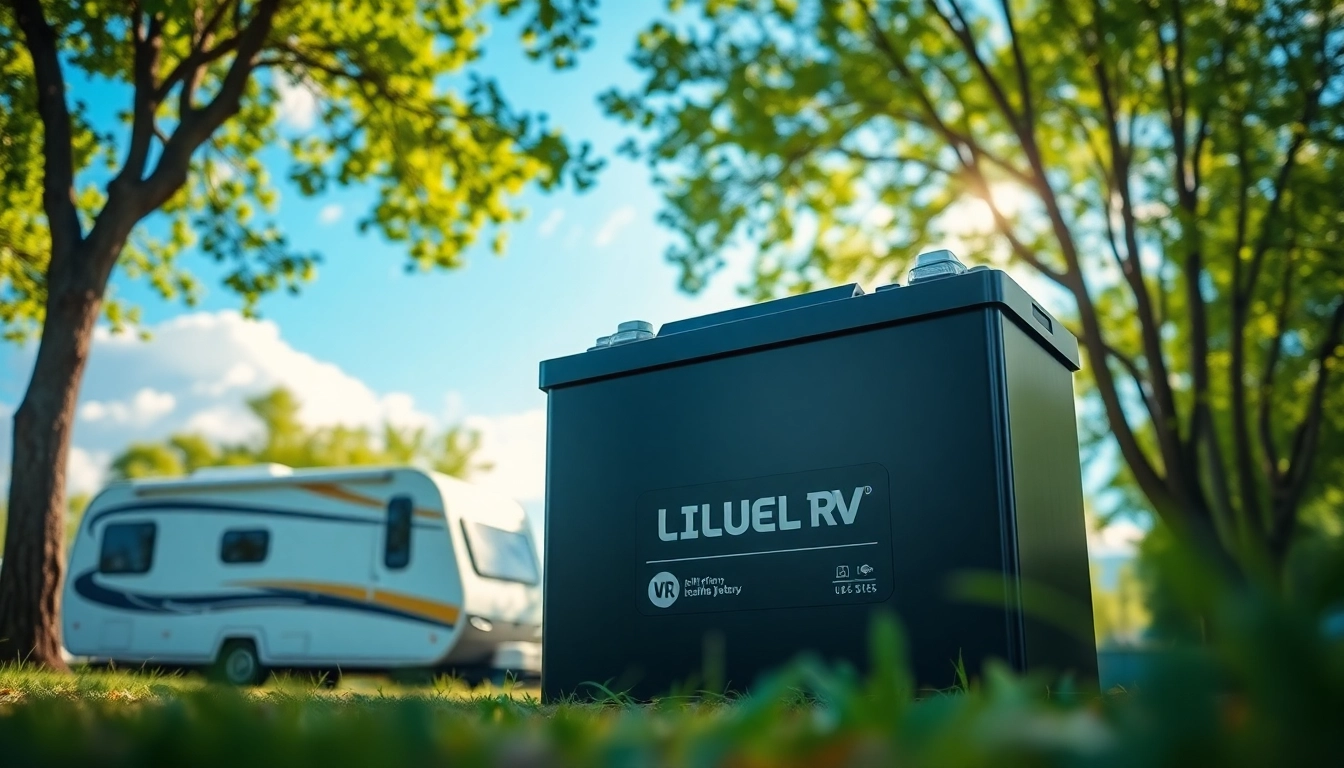
Understanding Lithium RV Batteries
As recreational vehicle (RV) enthusiasts look for more reliable and efficient energy storage solutions, lithium RV batteries have emerged as a popular choice. These advanced batteries provide numerous benefits over traditional battery technologies, revolutionizing the way power is harnessed and utilized in RVs, campers, and travel trailers. This comprehensive guide explores the intricacies of lithium RV batteries, their advantages, comparisons with conventional batteries, and best practices for optimal use.
What are Lithium RV Batteries?
Lithium RV batteries are rechargeable batteries that utilize lithium-ion or lithium iron phosphate (LiFePO4) technology. They have gained popularity for their lightweight design, high energy density, and ability to discharge and recharge more efficiently than traditional lead-acid batteries. These attributes make them an ideal choice for those who enjoy off-the-grid camping or frequent travel in RVs.
How Do Lithium RV Batteries Work?
At their core, lithium RV batteries operate based on the movement of lithium ions between the anode and cathode. When charging, lithium ions move from the cathode to the anode, storing energy. During discharge, the ions flow back, releasing energy to power devices. This process is highly efficient, with lithium batteries able to maintain a steady voltage even as they discharge, ensuring that devices run smoothly without sudden drops in power.
Key Benefits of Using Lithium RV Batteries
The benefits of lithium RV batteries are multifold:
- Longer Lifespan: Lithium batteries can last up to ten years or more with proper care, minimizing the need for replacements.
- Higher Depth of Discharge: Unlike lead-acid batteries, which should only be discharged to about 50% to preserve their lifespan, lithium batteries can be discharged up to 80% or more without damaging them.
- Faster Charging: Lithium batteries can be charged at a much higher rate compared to traditional batteries, achieving quick turnaround times for continuous use.
- Weight Savings: They are significantly lighter, making them ideal for mobile applications where every pound counts.
- Temperature Resilience: Lithium iron phosphate batteries can function effectively in a wide range of temperatures, from extreme cold to heat.
Comparison with Traditional Battery Types
Lead-Acid vs. Lithium RV Batteries
When comparing lead-acid batteries to lithium RV batteries, several key differences become evident:
FeatureLead-Acid BatteriesLithium RV BatteriesLifespan3-5 years10+ yearsWeightHeavyLightweightDischarge Depth50%80%+Charging SpeedSlowFastTemperature RangeLimitedWide Range
Performance Differences in Real-World Usage
In practice, the differences in performance are striking. Users of lithium RV batteries often report significant improvements in energy availability during peak usage times, especially when powering high-demand appliances such as air conditioners and microwaves. Additionally, the consistent voltage output of lithium batteries helps prevent the flickering of lights or surges in power that can occur with weakening lead-acid batteries. This reliability enhances the overall experience of RV camping, providing peace of mind to users.
Factors to Consider When Choosing
When selecting between lithium and traditional batteries, consider several factors:
- Usage Patterns: For frequent travelers or those who boondock often, lithium batteries may provide greater convenience and performance.
- Budget: While the upfront cost of lithium batteries is higher, the long-term savings on replacements and maintenance should be factored in.
- Space Available: The weight savings of lithium batteries can also be a significant advantage in smaller RVs.
- Energy Needs: Consider your energy consumption; high demands may necessitate the superior storage capacity of lithium batteries.
Best Practices for Lithium RV Batteries
Installation Guidelines for Optimal Performance
Installing lithium RV batteries requires adherence to specific guidelines to guarantee performance and safety:
- Use Appropriate Cables: Utilize cables designed for the current load to prevent overheating.
- Proper Ventilation: Ensure the battery space is well-ventilated to manage heat emitted during charging and discharging.
- Monitor Battery Management System (BMS): Leverage a BMS that can automatically balance the charge across cells and prevent overcharging.
Maintaining Your Lithium RV Batteries
Maintenance is minimal compared to traditional batteries, but certain practices can enhance lithium battery lifespan:
- Keep Them Charged: Avoid letting your batteries discharge below the recommended threshold.
- Regular Inspections: Periodically check connections and terminals for corrosion or damage.
- Temperature Monitoring: Ensure that the batteries are kept within recommended temperature ranges.
Safety Measures and Precautions
While lithium batteries are generally safe, precautions should still be observed:
- Proper Charging Protocol: Always use a charger specific to lithium batteries.
- Avoid Water Exposure: Protect the batteries from water and moisture to avoid short circuits.
- Store Safely: If not in use, store batteries in a cool, dry place away from flammable materials.
Addressing Common Concerns
Are Lithium RV Batteries Worth the Investment?
For many RV enthusiasts, upgrading to lithium RV batteries proves to be worthwhile. Their longevity, efficiency, and performance often outweigh the initial cost, particularly for those who frequently camp off-grid or require reliable power for extended trips.
Do They Meet Off-Grid Power Needs?
Yes, lithium RV batteries excel at meeting off-grid power requirements. With a higher depth of discharge and efficient charging, they provide ample energy for all your off-grid appliances, from refrigerators to lighting.
What Happens When Batteries Are Discharged?
If lithium batteries are completely discharged, they may enter a protective state that prevents further use. Recharging them promptly can usually restore function, but repeated deep discharges can reduce their overall lifespan. It's crucial to monitor performance and follow charging protocol to maintain optimal health.
FAQs About Lithium RV Batteries
How Long Do Lithium RV Batteries Last?
Lithium RV batteries can last 10 years or more with proper care, outlasting conventional lead-acid batteries significantly.
Can Lithium Batteries Work in Cold Weather?
Yes, lithium batteries perform well in cold temperatures, although it's best to keep them insulated to prevent efficiency loss.
What is the Charging Time for Lithium RV Batteries?
Depending on the charger and battery size, lithium batteries can typically charge within 2-6 hours, making them quick to recharge.
Are There Size Variations for Different RVs?
Yes, lithium RV batteries come in various sizes and capacities (such as 100Ah, 200Ah), suitable for different RV power requirements.
What Is the Best Way to Dispose of Old Batteries?
Recycle old batteries at designated facilities or programs to ensure safe disposal and protect the environment from harmful materials.