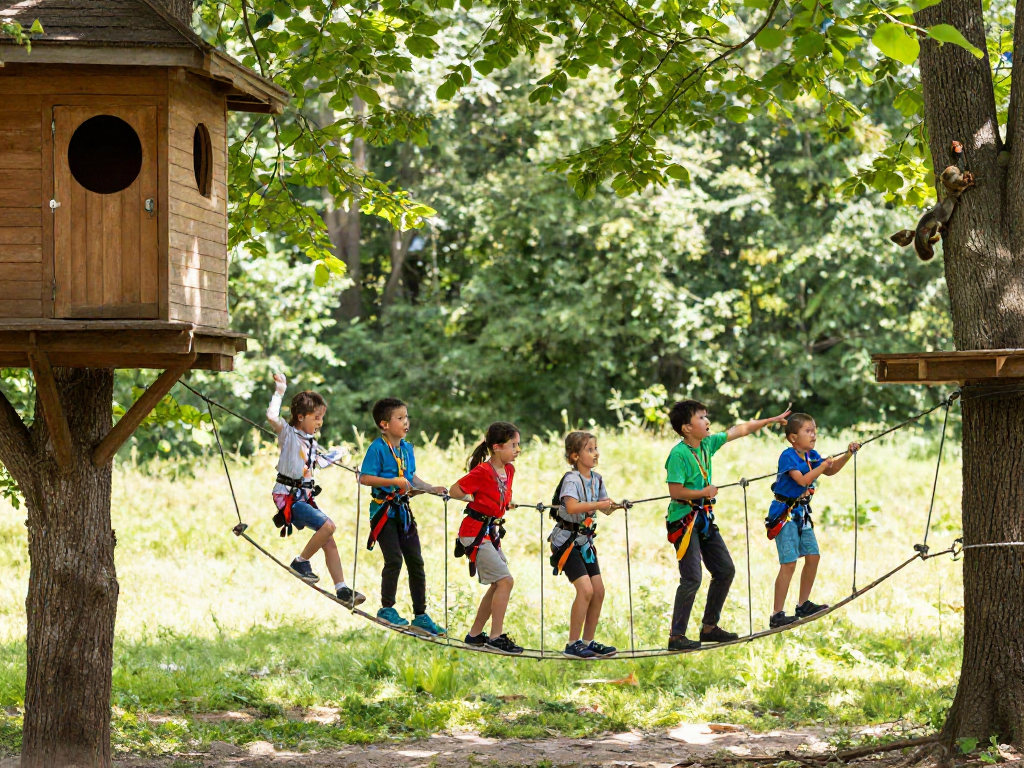
Understanding the Basics of Rope Bridges
A rope bridge is a simple yet ingenious structure, traditionally made from ropes and planks, enabling crossing over obstacles like rivers or ravines. These bridges encapsulate both functionality and adventure, making them a popular choice for outdoor enthusiasts and children alike. When exploring options, Rope Bridge designs can provide comprehensive insights into varied styles and construction techniques. Understanding the intricacies of rope bridges not only enhances safety but also adds an element of excitement to any outdoor setting.
What is a Rope Bridge?
A rope bridge is defined by its construction primarily utilising ropes or cables to suspend a walkway above the ground or water. Unlike traditional bridges that may require concrete, steel, or wood, rope bridges leverage the tensile strength of ropes, making them lightweight yet effective. They are typically used in remote locations, adventure parks, and even in urban designs for aesthetic appeal.
The History and Evolution of Rope Bridges
The history of rope bridges dates back thousands of years, with evidence suggesting that they were first used by Indigenous communities in South America and Asia. These ancient constructions were predominantly used to traverse difficult terrains and to connect remote settlements. Over time, the design and materials have evolved. Modern rope bridges can now incorporate synthetic materials that provide enhanced durability and weather resistance, catering to a wide range of applications from adventure sports to playground installations.
Types of Rope Bridges and Their Uses
Rope bridges can be categorised based on their construction method and intended use:
- Simple Suspension Bridges: These are the most common types, consisting of two or more ropes that support a walkway. They are often seen in adventure parks.
- Commando Rope Bridges: Designed for military training or team-building exercises, these bridges challenge users to develop strength and teamwork.
- Playground Rope Bridges: These are built for children’s play areas and designed to be safe for young users while providing fun and exercise.
Essential Safety Measures for Rope Bridge Construction
Prioritising safety during the construction and use of rope bridges is crucial. This not only prevents accidents but also ensures that users can enjoy the adventure without concern. Here are fundamental safety measures to consider when constructing a rope bridge:
Choosing the Right Materials for Durability
Material selection is pivotal in ensuring the longevity and safety of a rope bridge. Opt for high-quality synthetic ropes like polypropylene or nylon, which are resistant to UV light, weather, and wear. Additionally, wooden planks or composite materials can be used for the bridge deck, offering sturdiness without compromising on weight.
Essential Safety Gear for Users
When planning to use a rope bridge, wearing safety gear is vital. Harnesses, helmets, and gloves can significantly reduce the risk of accidents. For children, it is recommended to supervise them closely and provide them with appropriate safety equipment to ensure a fun yet safe experience.
Best Practices for Safe Installation
Proper installation of a rope bridge is critical to its safety. Ensure that the anchor points for the ropes are secure and that the bridge is level. Additionally, regular inspections should be conducted to check for wear and tear, especially after inclement weather. Following guidelines and consulting with professionals can aid in achieving the best results.
Designing a Rope Bridge for Maximum Fun
Creating a rope bridge that offers maximum enjoyment requires ingenuity and creativity. Here are some tips to consider when designing your bridge:
Creative Designs for Children’s Play Areas
When designing a rope bridge for a children's play area, incorporate features that stimulate engagement. Think about adding tunnels, climbing nets, or sliding boards that lead onto the bridge. Bright colours and themed designs (like jungle or pirate themes) can make the bridge more appealing.
Incorporating Nature into Your Bridge Design
Utilising natural materials like wood and bamboo can enhance the aesthetic appeal of a rope bridge while ensuring it blends seamlessly with its surroundings. Consider building the bridge amid trees or over a small stream to inspire a sense of adventure and exploration.
Adding Challenge Features for Older Kids
For older children or adults looking for a thrill, adding features that challenge their balance and coordination can heighten the experience. Consider creating uneven surfaces, swinging elements, or even ropes to climb while crossing the bridge.
Maintenance Tips for Your Rope Bridge
Regular maintenance is essential to ensure the safety and longevity of a rope bridge. Here are some practical maintenance tips:
Routine Inspections for Safety Assurance
Conduct routine inspections to assess the condition of the ropes, supports, and the surface of the bridge. Look for signs of fraying, rust, or any other wear that could compromise safety.
Common Problems and Their Solutions
Some common issues include loose ropes or worn-out boards. Tightening ropes or replacing damaged sections promptly can prevent more severe accidents and extend the life of the bridge.
How to Extend the Lifespan of Your Rope Bridge
To prolong the lifespan of your rope bridge, consider using protective measures like weather-resistant coatings and storage during extreme weather conditions. These steps can significantly reduce wear and tear.
The Future of Rope Bridges – Trends for 2026 and Beyond
As we move toward 2026, the design and application of rope bridges are evolving. Here’s what to expect:
Innovative Materials and Designs on the Horizon
Future designs may incorporate advanced materials like carbon fibre and high tensile strength synthetic ropes that offer improved durability and reduced weight. Additionally, modular designs could allow for easier assembly and disassembly.
Integrating Technology for Enhanced Safety
Smart technology may play a role in future rope bridges, with sensors that monitor load and structural integrity, providing real-time data to ensure safety during use.
Environmental Considerations and Sustainability
As environmental consciousness grows, there will be an emphasis on sustainable materials and practices in the construction of rope bridges. Eco-friendly materials can offer durability while reducing the environmental impact.
What is a rope bridge and its advantages?
A rope bridge is a cost-effective construction option that provides access over difficult terrain while offering an engaging and adventurous experience. They are particularly beneficial in environments where traditional construction methods are impractical.
How do I safely cross a rope bridge?
Safe crossing involves maintaining balance and using handrails if available. Always ensure that the ropes and supports are intact before crossing.
What materials are best for building a rope bridge?
Synthetic ropes like nylon or polypropylene are ideal due to their strength and weather resistance. Wooden beams or composite materials can serve as durable bridge decking.
Can rope bridges be used for adults?
Yes, rope bridges can support adult weights, provided they are designed and constructed correctly to accommodate the necessary load-bearing requirements.
What maintenance does a rope bridge require?
Regular inspections and maintenance checks are vital to address wear and tear promptly, ensuring safety for all users.