Understanding the Rainpoint Smart Sprinkler Controller
The rainpoint smart sprinkler controller is revolutionizing the way we approach outdoor watering and irrigation. With a growing global concern over water conservation due to climate change and increasing population, efficient irrigation systems are now more critical than ever. This innovative device allows homeowners and gardeners to manage their watering needs seamlessly, ensuring plants receive the right amount of water at the right times without the hassle of constant manual adjustments.
What is the Rainpoint Smart Sprinkler Controller?
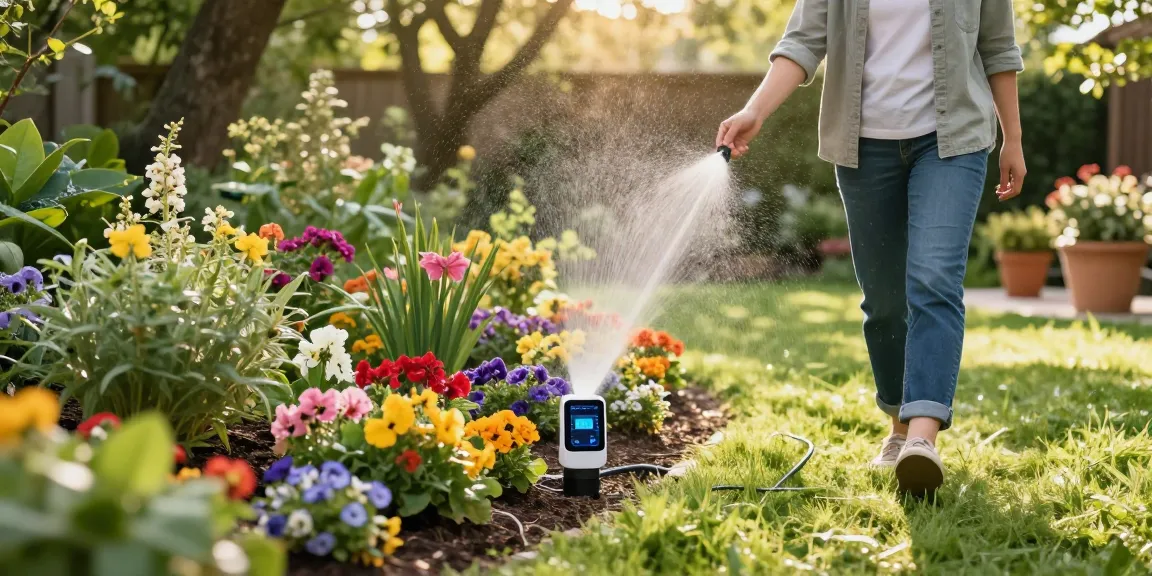
The Rainpoint Smart Sprinkler Controller is a cutting-edge device designed to automate the watering process for gardens, lawns, and indoor plants. It integrates with your Wi-Fi network, allowing users to control and monitor watering schedules through a user-friendly mobile app. This system not only saves time but also helps ensure that plants are neither overwatered nor underwatered, promoting healthier growth.
Key Features and Benefits of the Controller
- Wi-Fi Connectivity: Easily connect the system to your home network for remote access and control via the Rainpoint app.
- Soil Moisture Sensors: Automatically adjusts watering times based on real-time soil moisture readings, preventing overwatering.
- Customizable Scheduling: Set specific days and times for watering, with options to change based on seasonal needs.
- Data Tracking: Provides insights into water usage, helping you manage both your garden's health and your water bill effectively.
- Easy Setup: Designed for quick installation, the controller can be set up in just a few minutes, making it accessible even for non-technical users.
How It Works: Technical Overview
The Rainpoint Smart Sprinkler Controller operates on a simple yet effective technology framework. It communicates with a network of sensors placed throughout your garden or field, providing constant feedback on soil moisture levels. When the moisture levels fall below the designated threshold, the controller activates the irrigation system. This smart system not only considers soil moisture but can also factor in rainfall, thus preventing unnecessary watering during wet weather. Additionally, the app allows for manual overrides, ensuring users have complete control when needed.
Common Challenges with Smart Irrigation
While smart irrigation systems like the Rainpoint Smart Sprinkler Controller offer numerous advantages, they are not without their challenges. Understanding these issues can lead to a more successful gardening experience.
Overwatering and Underwatering Issues
One of the most common challenges users face is balancing the right amount of water for their plants. Overwatering can lead to root rot and other plant diseases, while underwatering can stunt growth. With the Rainpoint system, the built-in soil moisture sensors help mitigate these issues by providing real-time data, allowing for adjustments as needed. However, users must ensure that the sensors are appropriately placed and calibrated to specific plant needs.
Connection Problems with Wi-Fi Setup
Occasionally, users may encounter connectivity problems during the initial setup of the Rainpoint controller. These issues can stem from weak Wi-Fi signals or interference from surrounding devices. To troubleshoot, ensure your router is within range and consider restarting both your router and the controller. Following the manufacturer’s guidelines for setup can help alleviate many of these potential problems.
Understanding Soil Moisture Levels Effectively
Interpreting soil moisture data can sometimes be confusing for new users. The Rainpoint app provides valuable insights but requires some understanding of the moisture levels that different plant types require. Familiarize yourself with the specific needs of your garden plants—some may thrive with less water while others might need more. Adjust sensor thresholds accordingly to ensure your plants receive optimal care.
Best Practices for Using the Rainpoint Smart Sprinkler Controller
To maximize the effectiveness of the Rainpoint Smart Sprinkler Controller, consider implementing several best practices during setup and operation.
Optimal Setup and Configuration Tips
When installing the controller, ensure that sensors are placed in various locations to capture accurate readings across different soil types and plant species. Configure the app settings to reflect your climate and seasonal changes. Regularly check and update these settings based on weather patterns and plant growth stages.
Scheduling Efficient Watering Times
One of the standout features of the Rainpoint controller is its scheduling capability. Take the time to plan your watering schedule around the time of day when evaporation rates are lowest, typically early morning or late afternoon. Seasonal adjustments based on rainfall and temperature will also enhance water efficiency.
Maintaining Your Smart Sprinkler Controller
Regular maintenance of the Rainpoint Smart Sprinkler Controller ensures it operates optimally. Clean the sensors periodically to prevent dirt buildup that can interfere with moisture readings. Additionally, inspect the physical components of the irrigation system, including hoses and fittings, to prevent leaks or blockages.
Real-World Applications and Case Studies
Many users have experienced transformative results with the Rainpoint Smart Sprinkler Controller, illustrating its practical benefits across various settings.
Success Stories from Satisfied Customers
Customers have praised the Rainpoint system for saving time and reducing water bills. For instance, one customer shared how using the Rainpoint setup allowed them to effortlessly maintain their property, which included multiple trees and a diverse garden, while witnessing remarkable plant growth over a year.
How The Controller Transformed Gardens
Several case studies highlight the positive impacts of the Rainpoint system on garden aesthetics and health. Users report vibrant flowers and robust vegetable yields, attributing their success to the precise watering capabilities and ease of use provided by the device.
Environmental and Water Conservation Impacts
As water scarcity becomes a pressing global concern, smart irrigation technology plays a pivotal role in conservation efforts. Users of the Rainpoint controller report significant reductions in water usage, contributing to sustainable gardening practices. This not only aids personal gardens but also supports broader environmental goals.
Looking Ahead: The Future of Smart Irrigation Technology
As the demand for smart gardening solutions grows, the Rainpoint Smart Sprinkler Controller is poised to evolve alongside advancements in technology and consumer needs.
Emerging Trends in Automated Gardening
Future developments in smart irrigation will likely include increased automation and enhanced data analytics. Features such as predictive watering based on weather forecasts and improved sensor technology will further streamline gardening tasks, making it easier for users to maintain healthy outdoor spaces.
Integration with Smart Home Systems
As smart home technology continues to rise, expect a greater integration of irrigation systems with platforms like Google Home and Amazon Alexa. This will enhance user convenience, allowing for voice-controlled or automated watering based on household routines.
Predictions for Smart Irrigation by 2026 and Beyond
By 2026, smart irrigation systems will likely incorporate artificial intelligence (AI) to optimize water usage even further. Advanced algorithms could analyze weather patterns, soil conditions, and plant health to provide autonomous watering solutions tailored to specific gardens and climates.
What Users Should Expect in the Next Generation of Controllers
Future updates to the Rainpoint Smart Sprinkler Controller could include enhanced mobile app functionalities, more user-friendly interfaces, and better integration with existing garden management systems. These improvements will significantly contribute to the effectiveness and usability of the controllers, allowing even novice gardeners to reap the benefits.
What maintenance does the rainpoint smart sprinkler controller require?
Maintenance for the Rainpoint Smart Sprinkler Controller is minimal but essential for optimal performance. Regularly check the sensors for dirt and debris, ensure proper connections, and test the system after heavy rains.
How do I troubleshoot Wi-Fi connection issues with my controller?
If you experience Wi-Fi connection issues, first ensure that the controller is within the router's range. Restart both the router and controller, and consult the troubleshooting section of the Rainpoint app if problems persist.
Can I manually control the rainpoint smart sprinkler controller?
Yes, the Rainpoint controller allows for manual control via the app, providing users with the flexibility to adjust settings on the fly as needed.
What are the benefits of using a moisture sensor?
Moisture sensors prevent overwatering by providing real-time readings of soil moisture levels, ensuring that plants receive the exact amount of water they need for optimal growth.