Understanding Bed Bug Heat Treatment
What is Bed Bug Heat Treatment?
Bed bug heat treatment is a specialized procedure that utilizes high temperatures to eliminate bed bugs and their eggs from infested spaces. It is considered one of the most effective non-chemical methods for tackling this persistent pest. Typically, the treatment involves heating an entire room or structure to temperatures ranging from 120°F to 140°F, effectively killing bed bugs at all life stages, including eggs. In contrast to chemical treatments, which can leave residuals and require multiple applications, bed bug heat treatment provides a thorough approach that targets the heart of the infestation. For effective results and guidance on this treatment, consider exploring services specializing in bed bug heat treatment.
How Does It Work?
The heat treatment process begins with a comprehensive inspection of the affected areas to identify the severity of the infestation and the best strategies for treatment. Once prepared, the heating equipment is deployed to raise the ambient temperature in the room or space, usually above 120°F. Heat penetrates fabrics, wood, and other materials, reaching bed bugs hidden in cracks, crevices, and furniture. The recommended duration for maintaining these temperatures is typically between 4 to 8 hours depending on the level of infestation and room conditions.
Advantages of Bed Bug Heat Treatment
- Non-Toxic: Heat treatment does not rely on pesticides, making it a safe option for homes with children and pets.
- Comprehensive Elimination: This method kills all life stages of bed bugs, including eggs, which often evade traditional insecticides.
- Minimal Disruption: Unlike extensive chemical treatments, heat applications can be completed within a day, allowing residents to return home sooner.
- Environmentally Friendly: Heat treatment is considered eco-friendly, reducing chemical exposure and potential harm to the environment.
- Long-Lasting Results: When performed correctly, heat treatment offers a high success rate, minimizing the likelihood of reinfestation.
Preparation for Bed Bug Heat Treatment
Steps to Prepare Your Home
Proper preparation can significantly enhance the effectiveness of bed bug heat treatment. Here are essential steps to follow:
- Declutter the Area: Remove unnecessary items from the treatment space to ensure thorough heat penetration.
- Wash and Bag Linens: Wash bedding, clothing, and curtains in hot water to eliminate any bed bugs that may not be penetrated by heat. Seal cleaned items in plastic bags.
- Remove Electronics: Sensitive devices should be taken out of the treatment area as extreme heat can damage them.
- Inform Your Exterminator: Notify your pest control professional about any specific areas of concern or locations of heavy infestation.
- Seal Entrances: Close windows and doors to help retain heat in the treatment area during processing.
What to Expect During the Treatment
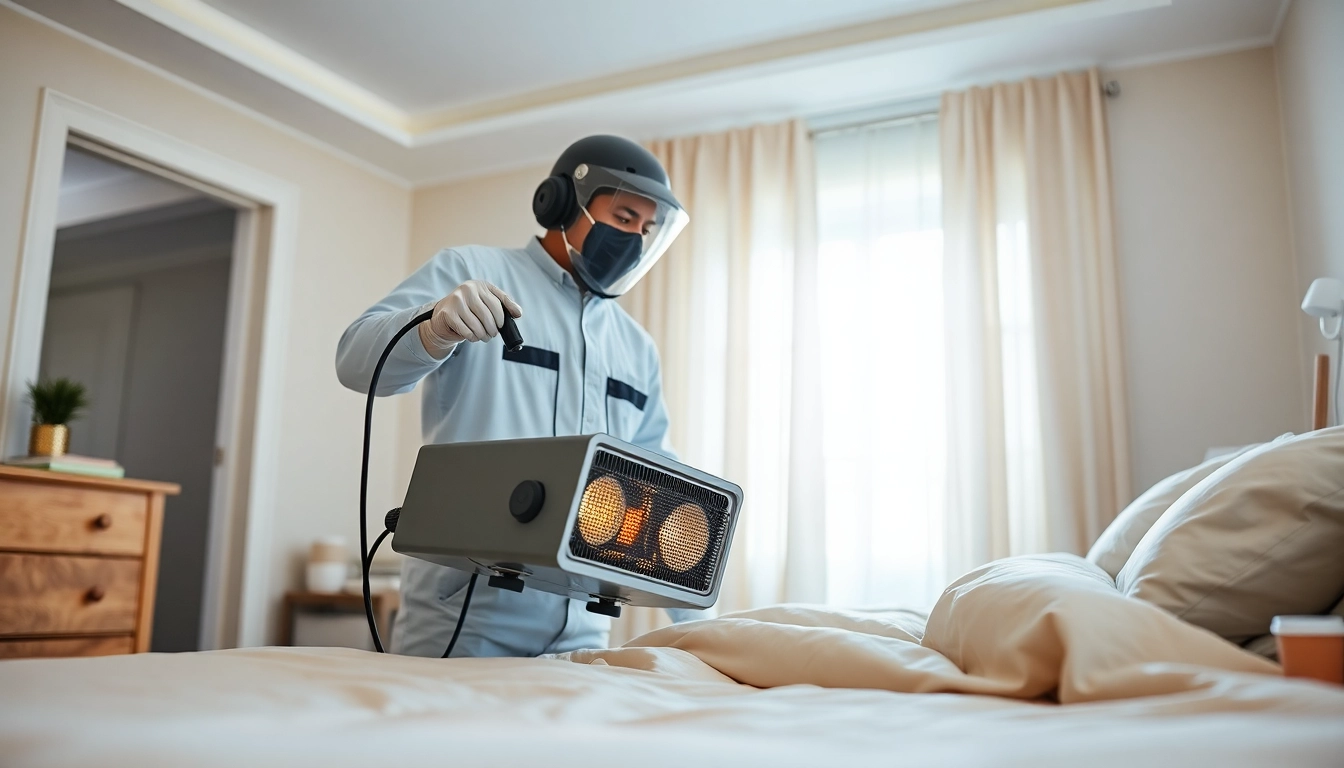
During heat treatment, expect technicians to arrive with specialized equipment like industrial heaters, fans, and temperature monitoring tools. They will set up the heating system and monitor the temperature throughout the process, ensuring that it remains consistent. You will likely be required to vacate the premises for a few hours while the treatment occurs. The process can be relatively quick, but the timeframe will depend on the size of the area being treated and the extent of the infestation.
Common Mistakes to Avoid
To maximize the efficacy of bed bug heat treatment, avoid these common mistakes:
- Inadequate Preparation: Failing to declutter or bag items may hinder heat distribution and result in ineffective treatment.
- Ignoring Electrical Appliances: Not removing electronics could lead to damage and safety hazards.
- Underestimating the Severity of Infestation: Misjudging the level of infestation can lead to insufficient treatment.
- Not Following Post-Treatment Instructions: Neglecting to follow aftercare can increase the likelihood of reinfestation.
Effectiveness of Bed Bug Heat Treatment
Success Rates Compared to Other Methods
Studies indicate that bed bug heat treatment boasts success rates as high as 90-100% in eradicating infestations when properly executed. Compared to chemical methods, which can require multiple applications and may allow bed bugs to develop resistance, heat treatment serves as a one-time solution that comprehensively eliminates bed bugs. However, it is crucial to recognize that factors like layout complexity, infestation level, and technician experience greatly influence treatment outcomes.
Factors Affecting Treatment Success
Several factors can impact the success of bed bug heat treatment:
- Heat Distribution: Ensuring that heat penetrates all areas, including corners and hidden crevices, is vital for effective eradication.
- Temperature Maintenance: Consistently maintaining the lethal temperature for sufficient time is critical to kill all bed bug life stages.
- Size and Complexity of Infestation: Larger infestations or those located in intricate settings may require greater attention and longer exposure to heat.
- Preparation by Homeowners: Properly preparing the treated area can significantly improve treatment efficacy.
Resolving Possible Failures
If heat treatment does not produce the desired results, here are solutions to consider:
- Consult Professionals: Engage with your pest control provider for reevaluation and determine if additional heat treatments or supplementary methods are necessary.
- Improve Preparation: Consider if the pre-treatment preparation was thorough and recommence to ensure all areas are adequately addressed.
- Monitor and Document: Keep records of sightings and evidence post-treatment to aid in informed follow-up actions.
- Utilize Other Methods: Pairing with residual insecticide applications can enhance overall effectiveness.
Aftercare Following Bed Bug Heat Treatment
Post-Treatment Cleanup
Once the heat treatment concludes, your home needs some post-treatment care to ensure long-lasting results. Begin by safely returning items that were removed earlier, ensuring they remain sealed until verified to be bed bug-free. They should be cleaned and inspected carefully. Vacuuming and cleaning floors will help remove any remaining bugs that may have been disturbed but not eliminated during treatment.
Monitoring for Reinfestation
After treatment, it's essential to actively monitor for any signs of reinfestation. Inspect your home frequently for signs of bed bugs, such as small dark spots (feces), discarded shells, and live bugs. Consider using mattress and box spring encasements as a preventative measure and adopting a proactive approach to ensuring that if any bed bugs do appear, they can be swiftly addressed.
Signs of Success
Look for these indicators to determine if bed bug heat treatment has been successful:
- Absence of Sightings: Seeing no signs of live bed bugs or their eggs is a primary indicator of successful treatment.
- Decreased Bites: A reduction in waking up with unexplained bites is a good sign of effective treatment.
- Inspection Results: Follow-up inspections should show no evidence of infestation.
Frequently Asked Questions About Bed Bug Heat Treatment
How long does bed bug heat treatment take?
Treatment duration typically ranges from 4 to 8 hours, depending on the severity of the infestation and the size of the area being treated.
Is heat treatment harmful to my belongings?
Generally, heat treatment is safe for most belongings, but electronics and sensitive items should be removed to avoid damage.
Can I stay in my home during treatment?
No, it’s advised to vacate the premises during treatment, usually for several hours, to ensure safety and allow technicians to work effectively.
What temperatures are used in heat treatments?
The treatment generally involves targeting temperatures between 120°F and 140°F to effectively kill bed bugs and their eggs.
How much does bed bug heat treatment cost?
The cost of heat treatment can vary widely based on factors such as location, infestation severity, and home size, but expect to invest several hundred to a couple of thousand dollars.