Understanding General Building Maintenance
What Is General Building Maintenance?
General building maintenance refers to the routine processes and tasks necessary to keep commercial, residential, and public buildings in optimal condition. This encompasses everything from cleaning common areas and ensuring compliance with safety regulations to maintaining HVAC systems, plumbing, and electrical installations. Generally speaking, it includes a mix of preventive, corrective, and emergency tasks designed to prolong the life of building systems while ensuring they function safely and effectively. Efficient and thorough general building maintenance not only improves the aesthetic appeal of properties but can also enhance their value and functionality, thus serving as a crucial factor for both property owners and tenants.
Importance of General Building Maintenance
The importance of general building maintenance cannot be overstated. It plays a vital role in several key areas:
- Safety: Regular maintenance ensures that buildings meet health and safety standards, minimizing risks of accidents or injuries.
- Cost Efficiency: Preventive maintenance helps identify and rectify minor issues before they escalate into costly repairs, ultimately saving property owners money.
- Longevity: Proper maintenance extends the lifespan of building systems and equipment, maximizing long-term investments.
- Tenant Satisfaction: Well-maintained properties provide a better living or working experience, positively affecting tenant retention rates.
- Compliance: Adhering to various legal and regulatory standards is simplified when regular maintenance is enforced.
Components of Effective General Building Maintenance
Effective general building maintenance consists of various components that, when combined, create a comprehensive maintenance strategy. These components include:
- Preventive Maintenance: Scheduled inspections and routine tasks to avert potential failures.
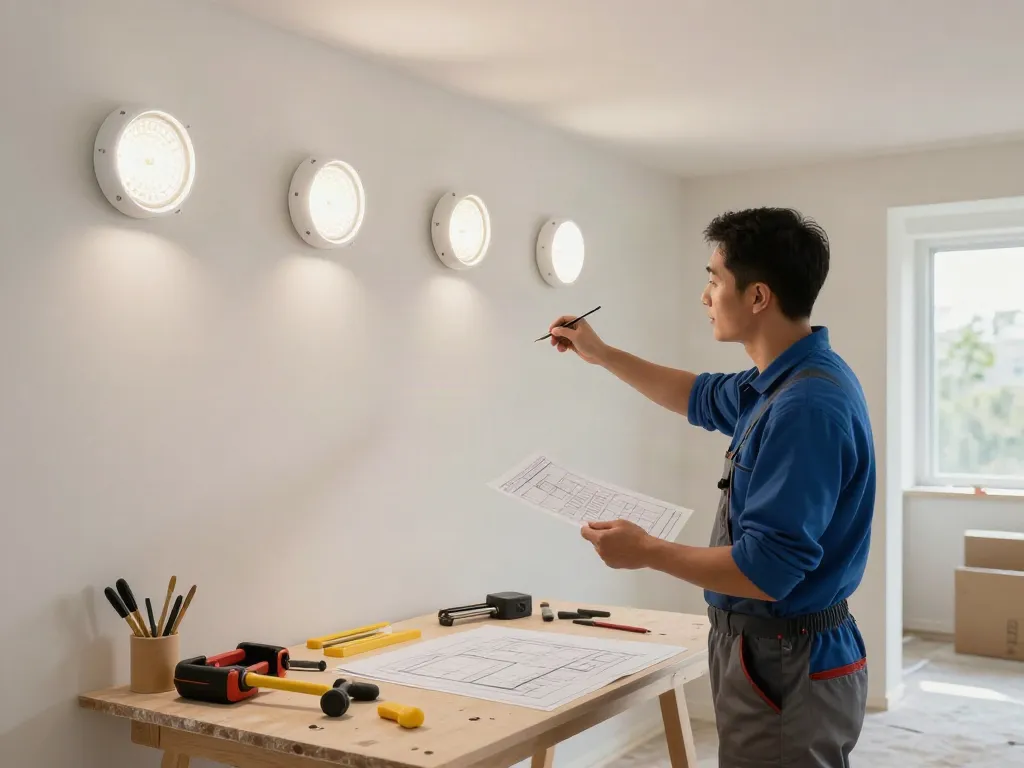
- Corrective Maintenance: Repairs performed in response to detected issues, such as fixing leaks or replacing light fixtures.
- Predictive Maintenance: Utilizing data and technology to forecast potential operational failures based on trends, thus optimizing maintenance schedules.
- Facility Management: The holistic approach to managing a facility's physical components including infrastructure, utilities, and support services.
- Emergency Repairs: Unforeseen issues requiring immediate attention, such as power outages or plumbing failures that can cause disruption.
Common Challenges in General Building Maintenance
Identifying Maintenance Needs
One of the primary challenges in general building maintenance is accurately identifying when and what maintenance tasks are needed. Many property managers struggle to evaluate the condition of building systems or detect issues before they become serious problems. To overcome this, a systematic approach involving regular inspections, detailed records of building performance, and tenant feedback can be utilized. This proactive strategy allows maintenance teams to prioritize tasks effectively.
Budget Constraints
Maintenance budgets are often limited, making it difficult to address all identified issues within the desired timeframe. The challenge lies in allocating resources efficiently to balance immediate repairs with long-term upgrades. Priority should be placed on preventive maintenance that can reduce the likelihood of expensive emergencies later. Additionally, long-term maintenance plans should align with budget cycles to ensure financial resources are adequately planned for.
Scheduling and Resource Allocation
Scheduling maintenance tasks can be a logistical nightmare, especially with multiple systems and availability of skilled personnel. It’s crucial to develop a detailed maintenance calendar that considers seasonal demands, peak usage times, and resource availability. Implementing a cloud-based management system can also significantly aid in the organization, enabling teams to coordinate effectively and streamline communication regarding maintenance tasks across various departments.
Best Practices for General Building Maintenance
Regular Inspections and Audits
Conducting regular inspections and audits is critical in identifying potential maintenance issues early on. This involves not only visual inspections but also integrating technology such as thermal imaging and diagnostic tools to detect underlying problems. Maintaining a detailed schedule for inspections, typically monthly or quarterly, ensures that all building systems are regularly evaluated and maintained to optimum conditions.
Maintaining Documentation
Proper documentation is the backbone of effective general building maintenance. This includes keeping records of maintenance schedules, service histories, inspection results, and tenant requests. An organized database facilitates quick access to relevant data, improving decision-making processes and accountability. Additionally, documentation supports compliance with regulations and audits.
Use of Technology and Tools
The integration of technology in maintenance processes can significantly enhance efficiency. Facilities management software can enable real-time tracking of maintenance requests, automate workflows, and provide data analytics for better decision-making. Moreover, smart sensors can monitor building systems and environmental conditions, alerting teams to potential issues before they escalate into emergencies.
Implementation Steps for General Building Maintenance
Developing a Maintenance Plan
Developing a maintenance plan requires a systematic approach. This plan should outline routines for inspections, preventive measures, and emergency protocols. Start by assessing the current state of all systems and prioritizing tasks based on urgency and budget. A key aspect of successful implementation is engaging all stakeholders, including building owners, facility managers, and maintenance personnel to contribute insights for more targeted solutions.
Training Personnel
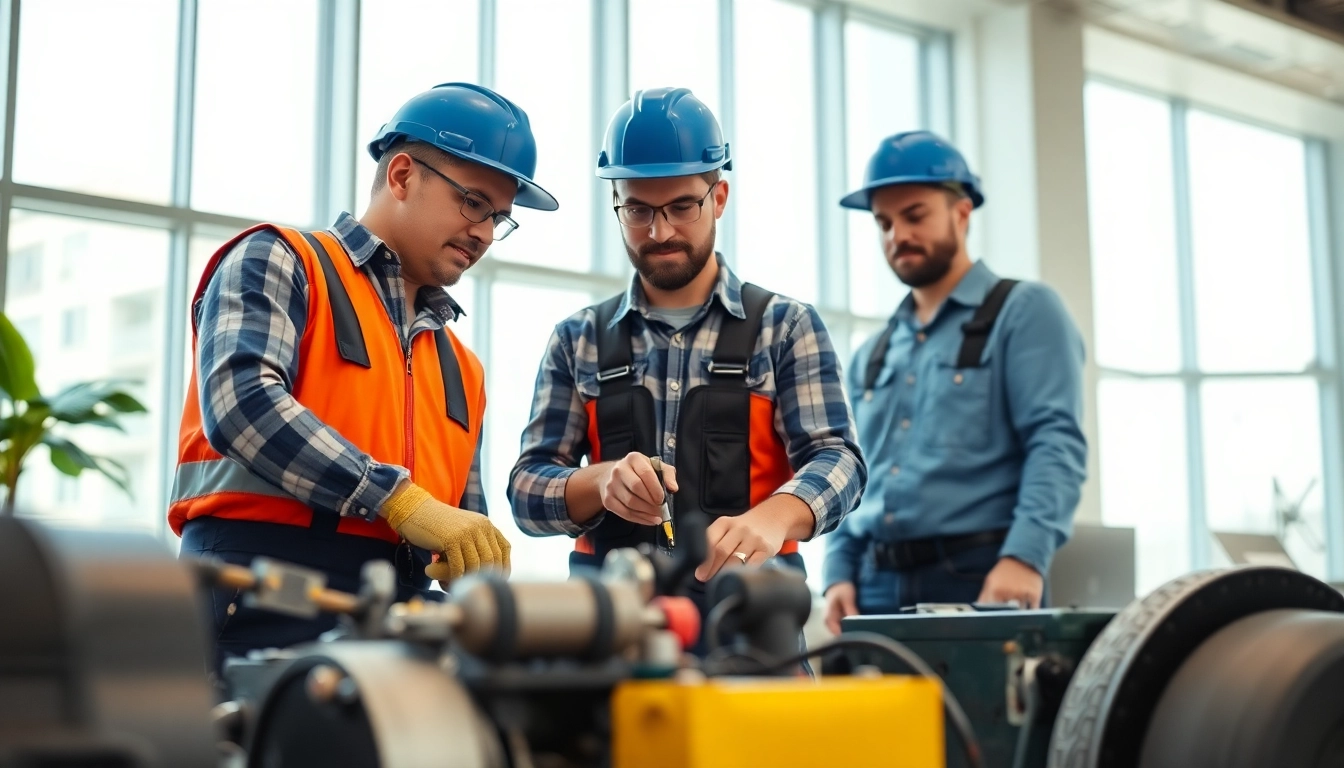
Investing in continuous training for maintenance personnel ensures that they are up-to-date on the latest technologies, safety standards, and maintenance techniques. Regular workshops and classes can improve skill levels, increase efficiency, and contribute to employee morale. Furthermore, creating a culture of proactive maintenance awareness among all staff members can contribute to identifying problems sooner.
Monitoring Performance Metrics
Monitoring key performance indicators (KPIs) can help evaluate the effectiveness of a building's maintenance strategy. Metrics such as response times for maintenance requests, percentage of preventive vs. reactive maintenance, and overall tenant satisfaction can provide a clear picture of operational performance. Regularly reviewing these metrics will allow for adjustments to the maintenance strategy to enhance effectiveness continually.
FAQs about General Building Maintenance
What types of tasks are included in general building maintenance?
General building maintenance tasks include cleaning, painting, plumbing repairs, electrical work, HVAC maintenance, landscaping, and safety inspections. These ensure functional and safe building operations.
How often should general building maintenance be performed?
The frequency of general building maintenance varies; preventive tasks like inspections should occur quarterly, while emergency repairs are handled immediately as issues arise. Regular upkeep is essential.
What is the cost of general building maintenance?
The cost of general building maintenance depends on the building's size, complexity, and maintenance strategy. An annual budget typically covers routine inspections and necessary repairs, often calculated as a percentage of total property value.
How can technology aid in general building maintenance?
Technology aids general building maintenance through software systems for tracking tasks, smart sensors for monitoring building conditions, and automated alerts for maintenance needs, improving efficiency and response times.
What are common signs that building maintenance is needed?
Common signs of needed building maintenance include flickering lights, inconsistent heating or cooling, water stains, strange noises from machinery, and tenant complaints about facility conditions or equipment performance.
Contact Information
Call Us: 780 454 6490Address: 12925 148 Street NW Edmonton, AB T5L 2H9