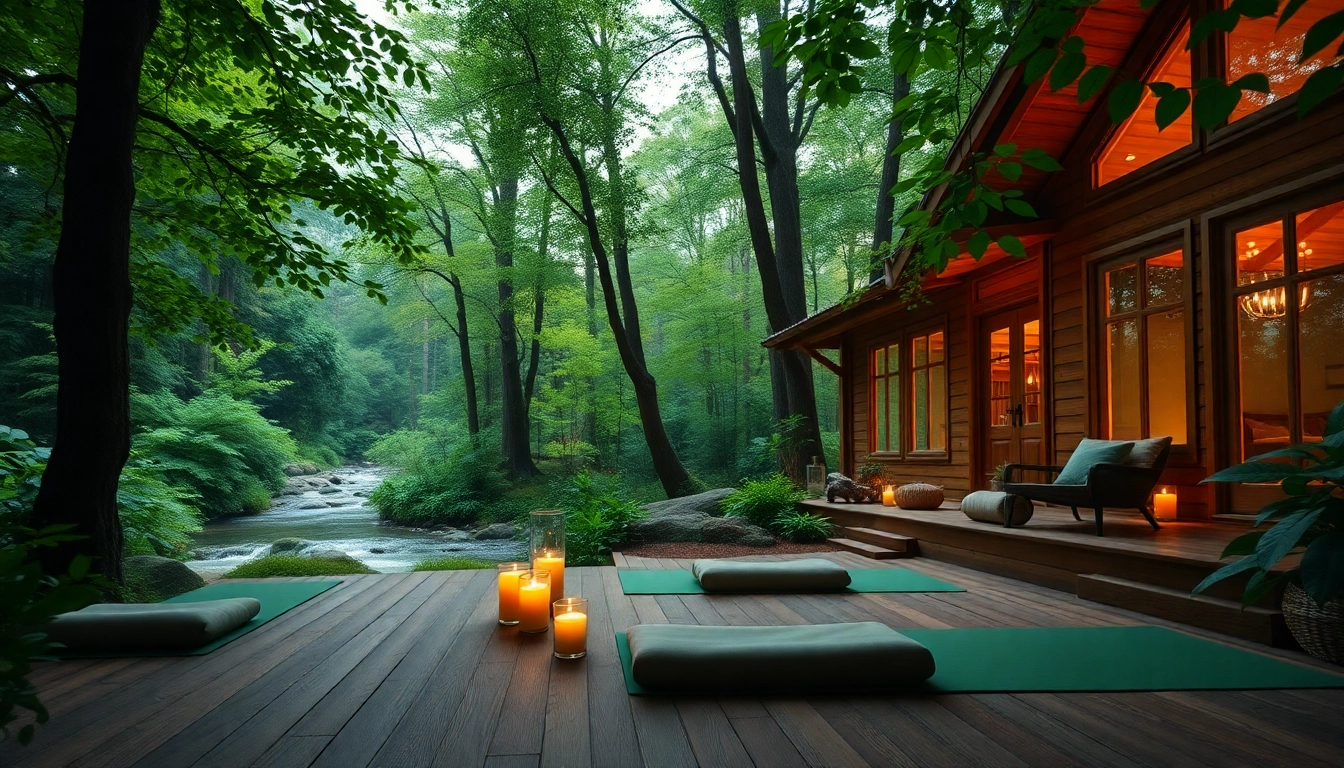
Understanding the Concept of Wellness Retreat
Defining Wellness Retreat
A wellness retreat is a specialized getaway designed to promote holistic well-being through various activities and experiences focused on health, mindfulness, and self-discovery. These retreats often combine elements of relaxation with practices that foster a deeper connection between the mind, body, and spirit. Whether set in a serene countryside, a tranquil coastal area, or a mountain retreat, the purpose is to provide a space where individuals can escape the hustle and bustle of daily life and focus on rejuvenation.
Key Benefits of Attending a Wellness Retreat
The benefits of attending a wellness retreat extend beyond just physical health; they encompass emotional, mental, and spiritual well-being. Participants often report experiencing reduced stress levels, improved mental clarity, and enhanced personal insight. Some key benefits include:
- Stress Reduction: The tranquil atmosphere of wellness retreats helps to alleviate stress and anxiety, promoting relaxation.
- Renewed Focus: Time spent away from daily distractions allows individuals to reflect on their lives and goals.
- Social Connections: Connecting with like-minded individuals can lead to lasting friendships and support systems.
- Expert Guidance: Many retreats are led by experienced practitioners who offer personalized advice and support.
Different Types of Wellness Retreat
Wellness retreats can vary significantly in their themes, activities, and target audiences. Here are some prevalent types:
- Yoga Retreats: These focus on yoga practice alongside meditation and relaxation techniques.
- Detox Retreats: Designed for cleansing the body, these retreats often include specialized diets and detoxification methods.
- Mindfulness Retreats: Focusing on meditation and mindfulness practices, these retreats aim to enhance mental clarity and emotional balance.
- Adventure Wellness Retreats: Combining physical activities such as hiking or kayaking with wellness practices, these retreats target those looking for an active experience.
Planning Your Ideal Wellness Retreat
Choosing the Right Location
Selecting the perfect location for your wellness retreat is crucial as it sets the tone for your entire experience. Considerations should include:
- Natural Environment: Look for locations nestled in nature, whether near mountains, beaches, or forests, which can enhance relaxation.
- Accessibility: The venue should be accessible by public transport or a short drive for convenience.
- Facilities: Ensure that the location has the necessary facilities for your chosen activities, whether it’s yoga studios or hiking trails.
Setting Your Wellness Goals
Before embarking on a wellness retreat, it’s essential to set clear wellness goals. Reflect on what you hope to achieve by the end of your experience. Common goals include:
- Relieving stress or anxiety
- Improving physical fitness
- Enhancing emotional well-being
- Gaining new knowledge about health practices
Your goals will help tailor your experience and ensure you choose activities that align with your intentions.
Budgeting for Your Wellness Retreat
Budgeting is a vital aspect of planning any wellness retreat. Consider the following when setting your budget:
- Costs of Accommodation: Prices can vary significantly based on location, amenities, and length of stay.
- Activity Fees: Many retreats charge separately for specialized activities, so account for those costs.
- Travel Expenses: Include transportation costs to and from the retreat location.
Remember to factor in incidental expenses for things like shopping or dining outside the scheduled meals.
Activities and Experiences at a Wellness Retreat
Holistic Health Practices
Holistic health practices are often at the core of wellness retreats. Activities may include:
- Massage Therapy: Therapeutic massages can alleviate tension and stress while fostering relaxation.
- Chiropractic Services: Some retreats offer chiropractic care to help with physical alignment and overall body functioning.
- Aromatherapy: The use of essential oils can enhance relaxation and improve emotional well-being.
Mindfulness and Meditation Sessions
Mindfulness and meditation are pivotal components of many wellness retreats. Participants can expect:
- Guided Meditation: Instructors will lead sessions aimed at helping participants focus, breathe, and find inner peace.
- Silent Meditation: Opportunities for personal reflection in silence can deepen self-awareness and calm.
Physical Activities and Workshops
Physical activity is often combined with wellness practices. Common workshops may include:
- Fitness Classes: These may feature sessions on everything from yoga to high-intensity interval training.
- Creative Workshops: Activities such as art therapy or dance classes can stimulate creativity and self-expression.
What to Expect During a Wellness Retreat
Daily Schedule Overview
The daily schedule at a wellness retreat typically includes a structured mix of activities designed to promote health and relaxation. Here’s an example:
- Morning: Start the day with yoga or meditation followed by a nutritious breakfast.
- Afternoon: Participate in workshops or wellness sessions with a light lunch in between.
- Evening: Enjoy a wholesome dinner and possibly a group discussion or reflection session.
Dining and Nutrition Focus
Nutrition plays a vital role in wellness retreats. Meals are often designed to nourish the body and may include:
- Organic Ingredients: Many retreats prioritize farm-to-table meals made with fresh, organic produce.
- Dietary Considerations: Options for various dietary needs (vegan, gluten-free, etc.) are typically offered.
Building Community and Connection
Wellness retreats foster a sense of community among participants. Opportunities for connection may include:
- Group Activities: Engaging in group exercises can break the ice and establish bonds.
- Shared Meals: Dining together encourages camaraderie and sharing experiences.
- Reflective Discussions: Group discussions about personal insights can promote healing and understanding.
Post-Retreat Integration into Daily Life
Maintaining Wellness Habits
Returning from a wellness retreat brings the challenge of maintaining new wellness habits. Some ways to do this include:
- Routine Development: Establish a daily routine incorporating practices experienced during the retreat.
- Accountability Partners: Connect with fellow participants for mutual support in maintaining wellness goals.
Resources for Continued Growth
To foster continuous growth after the retreat, consider utilizing:
- Books and Journals: Engage with self-help and wellness literature to enhance understanding.
- Online Communities: Join online forums or social media groups focused on wellness.
Feedback and Reflection Techniques
Regular self-reflection can help reinforce lessons learned at the retreat. Some effective techniques include:
- Journaling: Keep a journal to document feelings, insights, and ongoing goals.
- Regular Check-ins: Periodically assess your wellness journey and adjust goals as needed.
FAQs
What is a wellness retreat?
A wellness retreat is a focused getaway designed to enhance well-being through relaxation, activities, and health education.
How long do wellness retreats typically last?
Most wellness retreats last from a weekend to a week, depending on the program and personal preferences.
Do I need previous experience for a wellness retreat?
No previous experience is necessary; wellness retreats are open to all levels, providing options for beginners to experts.
What should I bring to a wellness retreat?
Pack comfortable clothing, personal items, any necessary medications, and a journal for reflections during the retreat.
How can I choose the right wellness retreat for me?
Consider your wellness goals, preferred activities, location, and budget to find a retreat that meets your needs.