
Introduction to Soft Building Blocks
Soft building blocks have emerged as a staple in children's playtime, offering not only entertainment but also essential developmental benefits. These versatile toys come in various shapes, sizes, and colors, allowing young minds to experiment, create, and transform their environments. Through their soft and safe design, these blocks foster an engaging atmosphere where play and learning intersect. To explore how to safely integrate these building blocks into play, click here to learn more.
Understanding Their Benefits
The allure of soft building blocks lies in their multi-faceted benefits. They not only engage children’s imaginations but also promote critical skills that will serve them throughout their lives. When children interact with these blocks, their creativity is piqued, encouraging them to visualize structures and explore spatial relationships. This type of creative play is crucial to cognitive development, as it requires problem-solving skills and innovative thinking.
The Role of Safety in Play
Safety is a primary concern for parents and caregivers during playtime. Soft building blocks are designed with this in mind, eliminating sharp edges and harmful materials commonly associated with traditional toys. The softness and lightweight nature of these blocks mean that they can be safely tossed, stacked, and manipulated without the risk of injury. These features enable children to explore their surroundings freely while providing peace of mind for caregivers.
Types of Soft Building Blocks Available
A wide range of soft building blocks is available on the market, catering to different age groups and developmental stages. Some blocks are plush and squishy, ideal for infants and toddlers who are just beginning their explorations. Others are structured foam blocks that provide greater stability and allow for more complex creations, suitable for older children. When selecting blocks, considering the intended age group and the developmental stages of the children who will use them is essential.
How to Choose the Right Soft Building Blocks
With so many options available, choosing the right soft building blocks involves considering several essential factors to ensure safety and suitability for children.
Age Appropriateness and Safety Standards
When selecting soft building blocks, consider the age appropriateness based on the manufacturer’s guidelines. Infants often require smaller, lightweight blocks that are easy to grasp, while older children benefit from larger, more complex designs that challenge their creativity and motor skills. Safety standards, such as ASTM and CPSC certifications, provide assurance that the blocks meet required safety criteria for children's toys.
Material Considerations for Durability
The materials used in making soft building blocks significantly affect their durability and safety. Look for blocks made from non-toxic, phthalate-free materials that are also washable. High-quality foam blends offer longevity and maintain shape over time, even after extensive use. The right materials ensure that your investment lasts through various phases of play and exploration.
Design Features to Look For
When evaluating soft building blocks, focus on design features that stimulate engagement and creativity. Blocks that come in a variety of shapes and sizes can inspire imaginative play, allowing for endless construction possibilities. Consider whether the blocks are lightweight and easy to stack, as well as whether they fit conveniently in little hands. Some blocks even have textured surfaces to encourage sensory exploration, making them more appealing to young children.
Best Practices for Playtime with Soft Building Blocks
To maximize the benefits of soft building blocks, it’s essential to implement best practices during play sessions.
Encouraging Creative Imagination
Creative imagination is nurtured through open-ended play. Encourage children to construct their own designs instead of providing specific instructions. This freedom allows them to express themselves and enhances their problem-solving skills as they figure out how to balance and build with the blocks. Create an inviting play area where children feel inspired to dream, explore, and create.
Structured vs. Unstructured Play
Both structured and unstructured play have their places in early childhood development. Structured activities, where children build according to specific guidelines or designs, can teach them about cooperative play and following directions. Unstructured play, however, allows children to engage in imaginative free play, which helps develop critical thinking skills as they encounter challenges while creating their structures. Striking a balance between these two play types maximizes developmental benefits.
Incorporating Learning Activities
Soft building blocks can be integrated into various learning activities to enhance cognitive skills. Use blocks to teach counting, colors, and shapes through playful engagement. Create simple challenges, such as “build a tower with five blocks” or “create a shape using three different colors.” Such activities integrate learning with play, encouraging children to engage both their minds and their creativity.
Real-Life Benefits of Soft Building Block Play
Beyond immediate entertainment, soft building blocks contribute significantly to children's development in various areas.
Enhancing Motor Skills and Coordination
Playing with soft building blocks is an excellent way to enhance fine and gross motor skills. As children grasp, stack, and balance the blocks, they develop hand-eye coordination and dexterity. These skills are foundational for future tasks, such as writing, cutting, and self-feeding. Regularly engaging with building blocks helps strengthen these essential motor functions.
Fostering Social Interaction and Teamwork
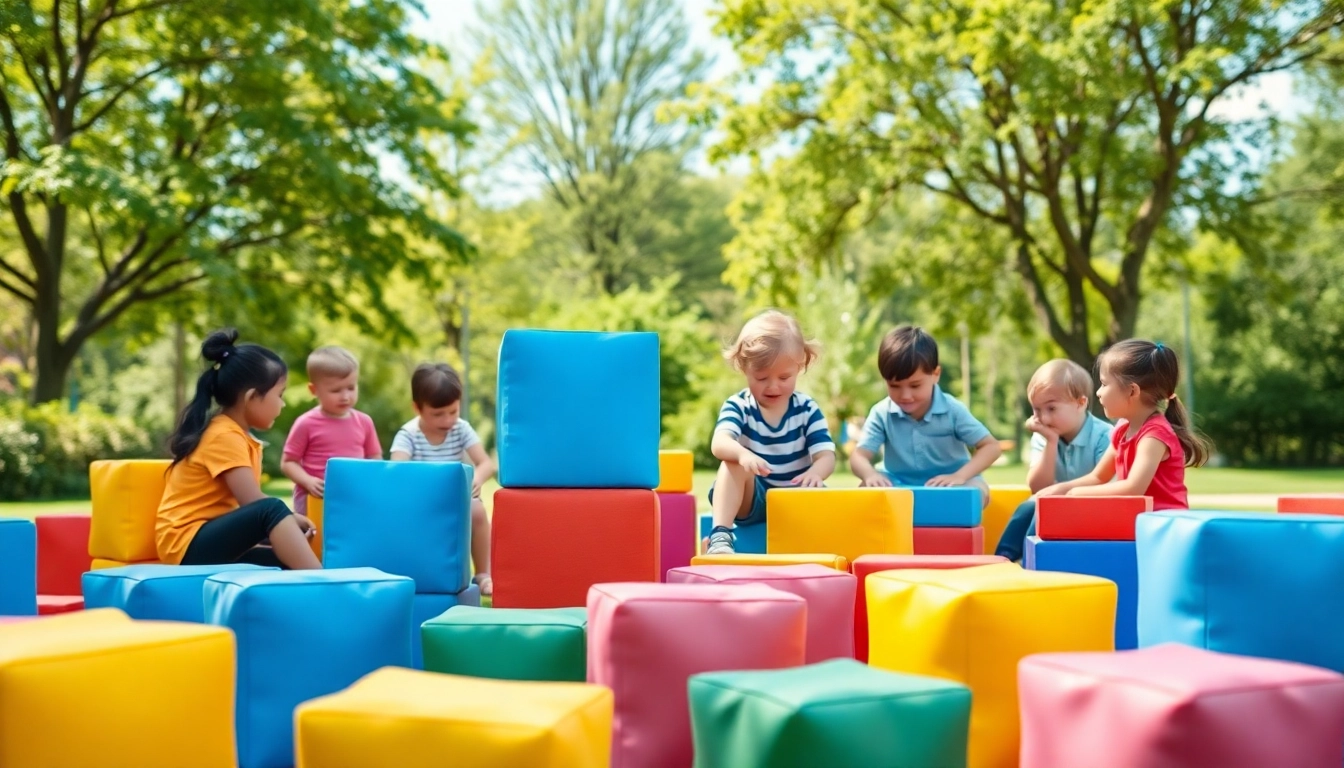
Group play with soft building blocks encourages social interaction, cooperation, and teamwork among children. When building together, children learn to share, take turns, and negotiate ideas, which fosters healthy social skills. This collaborative play can lead to lasting friendships and improved emotional intelligence as they navigate group dynamics and communicate effectively.
Stimulating Cognitive Development
Cognitive development is significantly enhanced when children engage in play with building blocks. The process of creating structures challenges them to think critically, reason logically, and visualize spatial relationships. As children experiment with different configurations, they learn about cause and effect, develop problem-solving skills, and engage in planning and execution necessary for successful construction.
FAQs about Soft Building Blocks
What age is appropriate for soft building blocks?
Soft building blocks are suitable for children of all ages, with variations designed for infants to preschoolers. It's essential to choose blocks that fit the developmental stage of your child.
Are soft building blocks easy to clean?
Yes, most soft building blocks are made from wash-friendly materials. They can usually be wiped down with a damp cloth or washed in a gentle cycle for thorough cleaning.
How do soft blocks contribute to child development?
Soft blocks enhance motor skills, stimulate creativity, foster social interaction, and support cognitive development through imaginative play and problem-solving activities.
What safety features should I look for?
Ensure that blocks are made from non-toxic, phthalate-free materials, have no sharp edges, and are lightweight to minimize the risk of injury during play.
Can soft building blocks be used outdoors?
Yes, soft building blocks can be used outdoors, provided they are made from weather-resistant materials. They encourage outdoor exploration and imaginative play in various environments.