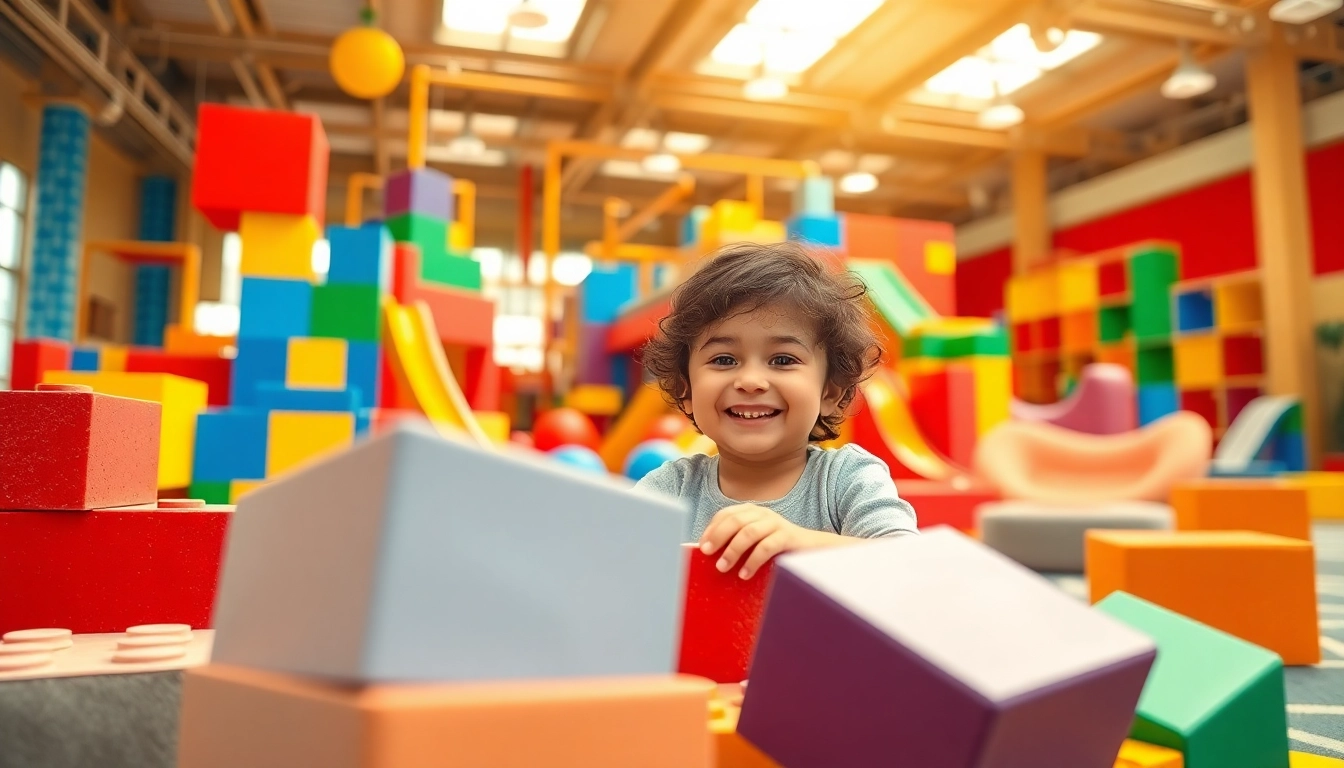
Introduction to Giant Building Blocks
As playtime evolves, the tools and toys that accompany children on their adventures have transformed remarkably. One of the most captivating trends in the world of play is the rise of giant building blocks. These oversized, colorful blocks serve as not just toys but as essential tools for unleashing creativity, promoting physical activity, and fostering social skills among children. For those looking to delve deeper into the world of giant building blocks and discover how they can enrich playtime experiences, additional information awaits.
What Are Giant Building Blocks?
Giant building blocks are oversized, lightweight building materials designed for children to manipulate and stack easily. Typically made from foam or plastic, they come in various shapes, sizes, and colors, making them appealing to young minds. The larger size allows for safe construction and creativity, enabling children to build elaborate structures without the worry of injury. These blocks are not only fun but also inviting, as they encourage participation from multiple kids at once, turning solitary play into collaborative adventures.
Benefits of Play with Blocks
Engaging with giant building blocks offers numerous developmental benefits. Firstly, they enhance fine and gross motor skills as children learn to grip, balance, and place blocks. This tactile experience is crucial for hand-eye coordination. Secondly, building with blocks promotes imaginative play, allowing children to visualize and construct worlds limited only by their creativity. Socially, these blocks foster cooperation and teamwork as children brainstorm and execute their designs together. Moreover, problem-solving skills are sharpened as kids navigate challenges while constructing their dream structures.
How to Choose the Right Blocks
When selecting giant building blocks, consider factors such as material safety, age appropriateness, and your space constraints. For younger children, opt for softer, lightweight foam blocks that reduce the risk of injury. Ensure that they are non-toxic and have smooth edges. Older kids may enjoy more robust blocks that can support complex constructions. It's also vital to choose a set that offers a variety of shapes and colors to encourage creativity. Lastly, consider the amount of space available—compact sets may be better suited for smaller rooms, while larger areas provide opportunities for expansive displays.
Designing Your Indoor Adventure Space
Incorporating Safety Features
Creating a safe play environment is paramount when it comes to indoor spaces for children. Ensure the play area is free from sharp objects and furniture edges. Soft flooring, such as foam mats, can provide added cushioning against falls. Additionally, strategically placing giant building blocks at lower heights reduces the chances of injury when children climb or build tall structures. Regularly inspecting blocks for wear and tear will also ensure a safer play experience.
Color and Theme Considerations
The aesthetics of the play area can significantly influence children's engagement. Employ vibrant colors that stimulate imagination and excitement. Themes can also enhance play experiences; consider nautical themes with blue and white blocks, or a jungle theme with green and brown hues. Personalizing spaces with wall decals, related toys, or even furniture that matches the chosen theme can create a cohesive environment that encourages extended play.
Space Layout and Flow
When designing the layout of your indoor adventure space, ensure there is ample room for movement. Avoid cluttered designs that may inhibit children's freedom to explore. Create open zones where blocks can be freely accessed and manipulated. A good flow design should allow children to transition smoothly from one activity to another. Consider seating areas for breaks and observation; this will help maintain a welcoming atmosphere and encourage collaborative play.
Creative Building Ideas
Engaging Themes for Play
Integrating themes into playtime can make giant building block activities even more enticing. For example, a castle-building theme could prompt children to construct towering structures reminiscent of medieval fortresses. Alternatively, a space theme could inspire them to build spacecraft and planets. By providing illustrations or story prompts related to these themes, caregivers can guide children's creativity and problem-solving skills while building their imaginative scenarios.
Group Activities with Blocks
Encouraging group activities fosters teamwork and collaborative spirit among children. Consider challenges such as speed building, where teams race to construct a structure within a set time limit. Alternatively, design collaborative projects like community structures that require input from every participant. Group discussions about strategies and design aspects can spark more profound creativity and critical thinking, prompting children to articulate their ideas and learn from one another.
Incorporating Learning into Play
Playtime can also be an excellent opportunity for learning. Incorporate STEM concepts (Science, Technology, Engineering, and Mathematics) into block-building activities. For instance, encourage children to calculate how many blocks are needed for particular structures or explore balance and weight distribution when building taller towers. Discussing different geometric shapes while playing can also enhance their understanding of basic math skills. This intersection of play and education can foster lifelong learning habits.
Maintenance and Care for Your Blocks
Cleaning and Sanitization Tips
Proper maintenance of giant building blocks is essential to ensure they remain safe and enjoyable for years. Regular cleaning should be a part of your routine. Use a gentle, non-toxic cleaner to wipe down blocks, focusing on corners and crevices where dirt may accumulate. For foam blocks, avoid submerging them in water. Instead, dampen a cloth with soapy water and wipe them clean, then allow them to air dry completely to prevent mold and mildew accumulation.
Repairing Damaged Blocks
Accidental tears or damages can occur during play. For foam blocks, use a strong adhesive suitable for foam materials to mend minor tears. You can reinforce edges with duct tape for extra durability. For plastic blocks, consider saving broken pieces and recycling them into new designs or art projects, fostering creativity from challenges. Always handle repairs carefully to ensure safety and a continued enjoyable experience with the play equipment.
Storage Solutions for Blocks
Organizing and storing giant building blocks effectively can help maintain a tidy play area. Clear plastic bins or fabric storage bags labeled for different types of blocks can conveniently showcase available options while keeping areas clutter-free. Utilize vertical space by adding shelves to hold lighter blocks or hang bags from hooks. Encourage children to participate in the clean-up process by making it a fun activity—setting up a competitive game to see who can store the most blocks efficiently.
FAQs About Giant Building Blocks
What age is suitable for giant building blocks?
Giant building blocks are typically suitable for children aged 2 and up, enabling safe play for a wide age range.
Are these blocks safe for indoor use?
Yes, giant building blocks are designed for indoor use, featuring soft materials that minimize injury risks during play.
How can I encourage cooperative play?
Setting group challenges or themed projects prompts children to work together, fostering communication and teamwork while playing.
What are some creative building challenges?
Consider challenges like constructing the tallest tower, themed structures, or collaborative community designs to spark creativity.
How should I store the blocks when not in use?
Store giant building blocks in clear bins or bags, labeling them for easy access, which keeps play areas organized and tidy.