What is an Interactive Photo Wall?
Definition and Purpose
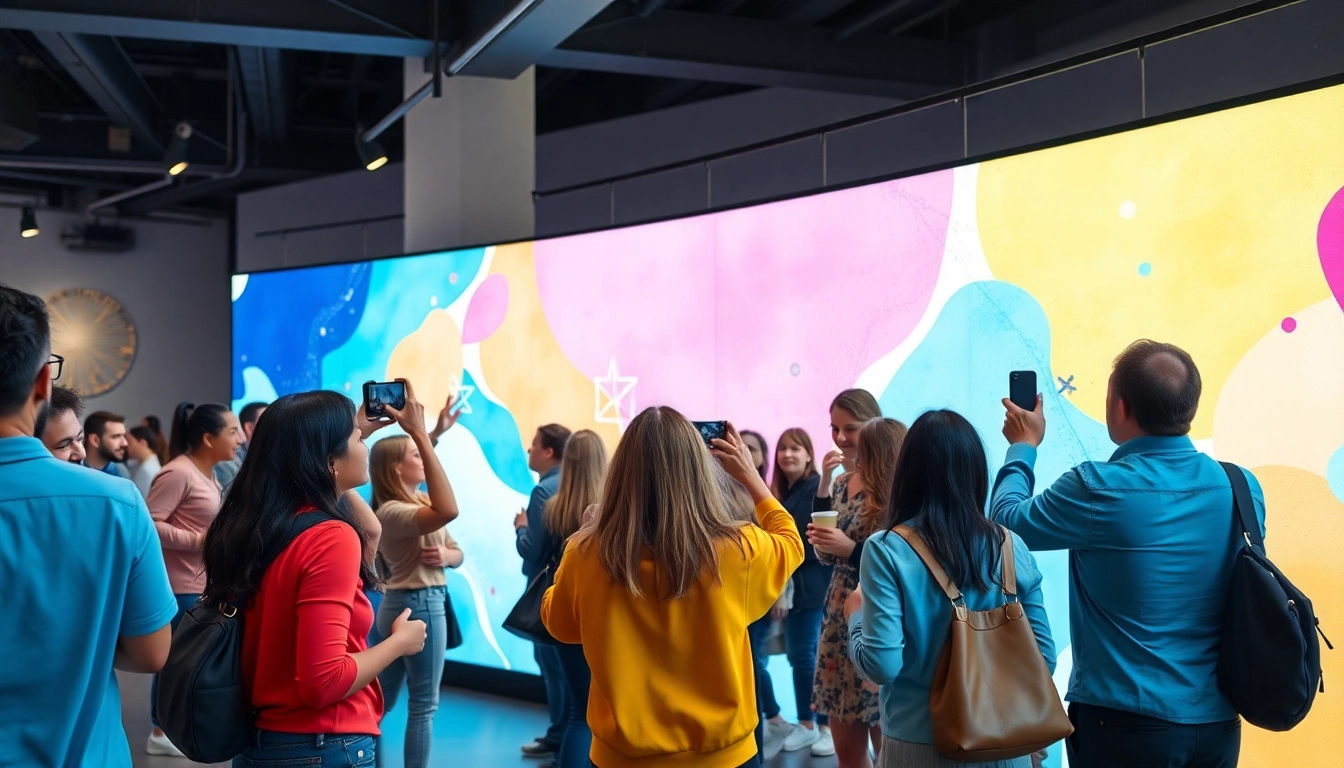
An interactive photo wall is a dynamic digital display that allows users to engage with visual content in a hands-on manner. Unlike traditional photo displays, these walls facilitate interaction by enabling viewers to contribute their own media—such as photos and videos—often through a touchscreen interface or a mobile app. The primary purpose of an interactive photo wall is to enhance user experience by encouraging participation, creativity, and collaboration, making them ideal for events, exhibitions, and public spaces.
Key Features of an Interactive Photo Wall
Key features of an interactive photo wall typically include:
- User-generated content: Users can upload their photos directly to the wall, adding a personalized touch.
- Many interactive walls support not only photos but also videos and animations, enriching the visual experience.
- Touchscreen technology: Many systems utilize touchscreens allowing users to scroll, zoom, and navigate content intuitively.
- Social media integration: This feature enables users to share their experiences directly on social platforms, increasing reach and engagement.
- Analytics tools: These allow organizers to track engagement and interactions, informing future improvements.
Benefits for Users and Venues
The benefits of having an interactive photo wall are manifold, affecting both users and venue managers. For users, it provides a unique and memorable experience, fostering connection through shared memories. For venues, the interactive photo wall can significantly boost foot traffic, enhance visitor engagement, and derive valuable insights through analytics regarding user interaction patterns. Furthermore, these installations often become centerpieces that encourage social sharing, increasing the venue's online visibility.
How to Design an Interactive Photo Wall
Understanding Your Audience
The first step in designing an effective interactive photo wall is to comprehend the audience it will serve. Target demographics—such as age, interests, and cultural backgrounds—play a vital role. Engaging younger audiences may involve incorporating trendy design features, while catering to older generations might require easy navigation and accessible content. Conducting surveys or focus groups can reveal valuable information about what potential users would find most engaging.
Choosing the Right Technology and Tools
Selecting the appropriate technology for your interactive photo wall is crucial. Depending on your budget and desired features, options range from basic displays to advanced touchscreen setups. Considerations should include durability, ease of use, and maintenance requirements. Additionally, software platforms that allow for user uploads and social media sharing should be evaluated for their user-friendliness and adaptability to your needs.
Creative Design Ideas
Creativity is paramount in the design of an interactive photo wall. Here are a few ideas to inspire:
- Thematic designs: Create a wall that reflects a specific theme or event, whether it be a wedding, festival, or corporate event.
- Dynamic backgrounds: Use animated or changing backgrounds based on user interaction to keep the visual experience fresh and exciting.
- Collaboration features: Allow users to collaborate on a single photo or project, building a sense of community and teamwork.
Best Practices for Implementation
Setting Up the Space
The physical setup of the interactive photo wall should encourage participation while considering user flow and safety. The wall should be located in a high-traffic area, with sufficient space around it for users to comfortably navigate and view the content. Proper lighting is also essential; ensure the display is visible without glare. Additionally, consider accessibility features to accommodate users with disabilities.
Engagement Techniques
To keep users engaged, implement strategies that encourage interaction. Use prompts that invite contributions, such as thematic questions, contests, or challenges related to the event. Additionally, consider providing incentives, such as giveaways or shoutouts on social media, to entice users to participate actively. Creating a multi-sensory experience by adding sounds, lights, or haptic feedback can also heighten user engagement.
Measuring Interaction and Feedback
Data analytics are essential for understanding how users interact with the interactive photo wall. Tools that track metrics such as uploads, views, and engagement times can provide insights that help refine the user experience. Soliciting direct feedback through surveys or interactive features (like thumbs up/down buttons) post-interaction can also guide future improvements and adjustments.
Examples of Successful Interactive Photo Walls
Case Studies from Art Galleries
Art galleries have successfully embraced interactive photo walls to create immersive experiences. For example, a contemporary art gallery installed a wall that allowed visitors to upload their interpretations of the displayed art. This interactive element not only enhanced visitor engagement but also added layers of meaning to the exhibition, allowing collective expression and dialogue among patrons.
Popular Event Implementations
Various events, such as music festivals and trade shows, have utilized interactive photo walls. At a recent music festival, attendees contributed live photos that were streamed on large screens around the venue, fostering a sense of community and real-time interaction. This witnessing of shared experiences contributed to increased social media presence and attendee engagement.
Social Media Impact
The interaction stemming from photo walls is often amplified on social media platforms. Users sharing their photos or experiences captures a wider audience, providing organic marketing for events or venues. Implementing unique hashtags can clarify the conversation, track engagement, and create a cohesive narrative around the interactive wall’s activity online.
Future Trends in Interactive Photo Walls
Technological Advancements
The evolution of technology continues to shape the landscape of interactive photo walls. Emerging features like augmented reality (AR) integrations and AI-based content moderation are paving the way for enhanced user experiences. AR can allow users to see photos in a 3D space or interact with virtual elements, providing engaging multi-sensory experiences that far exceed traditional displays.
Enhancing User Experience
User experience will also benefit from the growing presence of customizable options, allowing users to tailor their interactions based on preferences. Customization may involve selecting filter styles, editing tools, or even the ability to save favorite images to personal collections. Adapting to user preferences through data analytics ensures that interactive photo walls remain relevant and engaging.
Predictions for Upcoming Years
Looking forward, we can anticipate a surge in the use of interactive photo walls across diverse sectors beyond entertainment venues. Educational institutions, corporate settings, and even healthcare facilities may incorporate these features to enhance engagement and communication. As virtual and hybrid experiences continue to grow, interactive photo walls can act as valuable tools for maintaining a sense of connection and community, regardless of physical location.
Frequently Asked Questions
What types of events are best suited for an interactive photo wall?
Interactive photo walls are perfect for events like weddings, birthday parties, conferences, and music festivals. They engage attendees and create memorable experiences through user-generated content.
How do I ensure that my interactive photo wall is user-friendly?
Design the interface to be intuitive, with clear instructions visible on-screen. Regularly gather user feedback to continuously improve accessibility and usability.
What technology do I need for an interactive photo wall?
You'll need a suitable display screen, touch sensors, software for content management, and connectivity options (like Wi-Fi) to facilitate uploads and interactions.
Can I integrate social media with an interactive photo wall?
Absolutely! Most interactive photo walls can integrate with social media platforms, allowing users to share photos directly, enhancing visibility and engagement.
How can I measure the success of my interactive photo wall?
Utilize analytics dashboards to track metrics like user engagement, content uploads, and interaction patterns. Surveys can also provide qualitative insights into user satisfaction.