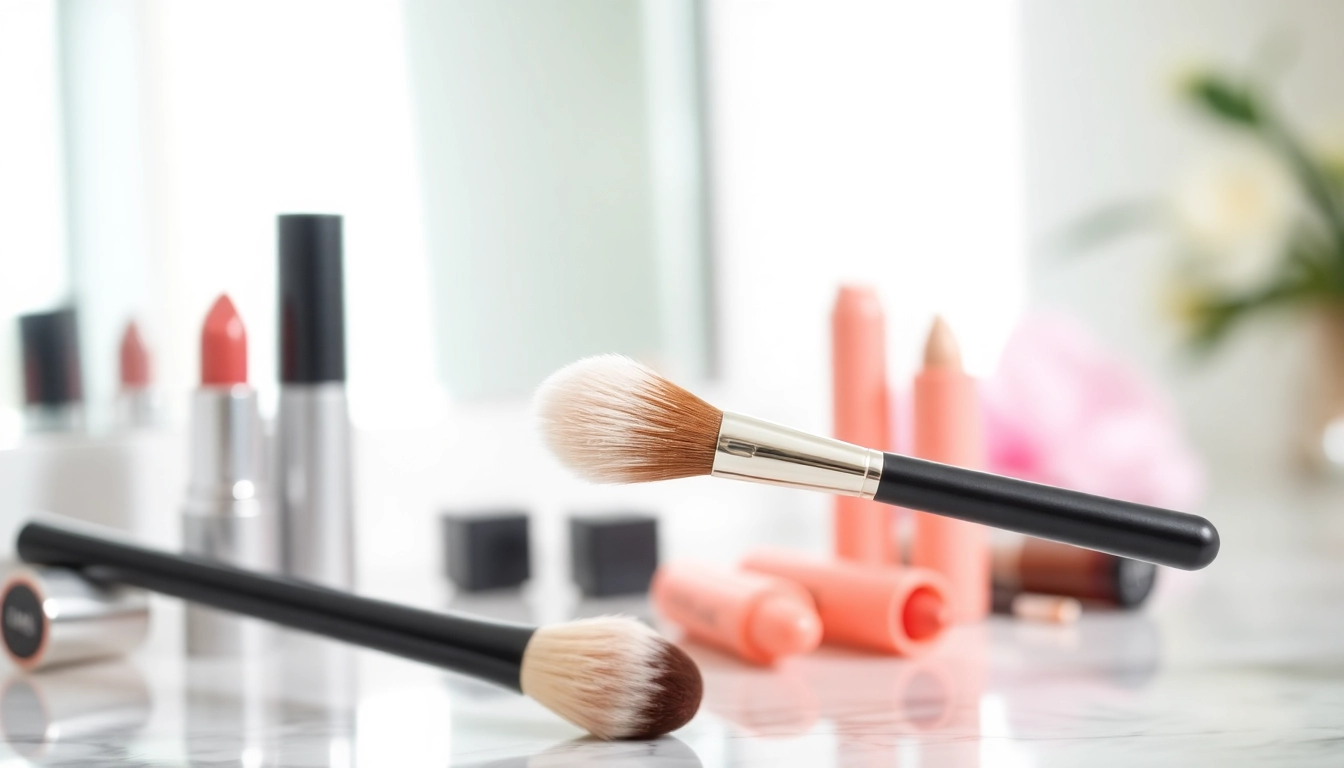
Understanding the Importance of a Lip Blending Brush
What is a Lip Blending Brush?
A lip blending brush is a specialized makeup tool designed specifically for the application and blending of lip products. Unlike standard applicators, which may apply color in a single stroke, a lip blending brush allows for detailed application, blending, and contouring of lip color. Typically featuring a tapered or rounded head with soft bristles, this brush can be used to achieve a variety of lip looks—from precise lines to softer, blended edges. Utilizing a lip blending brush elevates your lipstick application by enhancing precision and control over the finished look.
Why Use a Lip Blending Brush?
The right tools are essential for achieving professional-quality makeup, and a lip blending brush is a cornerstone of any effective makeup kit. Here are some key reasons to use one:
- Precision: The specific design of a lip blending brush allows for high accuracy when applying lip products. This is particularly useful for crafting defined lip lines or intricate designs.
- Blending Capability: A lip blending brush can effortlessly blend different lip shades, create gradient effects, and enhance the overall volume of the lips, providing a polished finish.
- Versatility: Beyond lip colors, these brushes can be used to blend other cosmetics such as cream blush or even eyeshadow, making them a multifunctional tool in your makeup arsenal.
- Hygiene: Using a lip blending brush can promote better hygiene by preventing direct contact between your lip products and fingers, reducing the risk of bacteria transfer.
Choosing the Right Lip Blending Brush
Selecting the right lip blending brush is crucial for achieving your desired look. Here’s what to consider:
- Bristle Material: Opt for soft synthetic or natural bristles. Synthetic fibers are often easier to clean and maintain, while natural fibers can provide a smoother application for cream-based products.
- Brush Shape: A tapered brush is ideal for detailed work, helping to outline and define the lips effectively. A fluffier brush can be used for overall blending and softer looks.
- Size: Ensure the size of the brush head suits your lip size. Smaller brushes work well for precision, while larger brushes are better for filling in larger areas.
Techniques for Using a Lip Blending Brush
Basic Blending Techniques
To use a lip blending brush effectively, you need to master basic techniques:
- Preparation: Start with clean lips and apply a lip primer or balm for a smooth base. This will prevent the product from settling into creases.
- Application: Dip the lip blending brush into your chosen lip product. Starting from the center of your lips, work your way outwards for even coverage.
- Blending: Use gentle strokes to blend the product towards the edges of the lips. This helps in creating a seamless transition between different colors or products.
Creating Ombre Effects
Creating ombre lips with a lip blending brush is a stunning way to elevate your look. Here’s how to do it:
- Select Colors: Choose two complementary lip colors—one darker and one lighter.
- Apply Dark Color: Use the lip blending brush to apply the darker color to the outer corners of your lips.
- Apply Light Color: Apply the lighter shade to the inner part of the lips.
- Blend the Two Shades: Utilizing your brush, gently blend where the two colors meet, creating a smooth gradient that enhances the pout.
Tips for Long-Lasting Results
Here are several tips to ensure your lip application stays vibrant throughout the day:
- Use Lip Liner: Outline your lips with a lip liner before applying lipstick to prevent feathering and achieve a longer-lasting effect.
- Set with Powder: Lightly dusting some translucent powder between layers can help the lipstick adhere better and last longer.
- Avoid Oily Foods: Foods high in oil can break down lip products, so opt for healthier choices when possible.
Common Mistakes to Avoid with Lip Blending Brushes
Improper Brush Cleaning
One of the most crucial aspects of maintaining your lip blending brush is cleaning it properly. Not cleaning your brush regularly can lead to buildup of old product, which may affect performance and lead to bacteria, causing skin irritations. Aim to clean your brush at least once a week, especially if used frequently.
Incorrect Product Selection
Using the wrong product for your lip blending brush can yield unsatisfactory results. Ensure the product is compatible with your brush type. For example, a dense cream lipstick may not work well with a fluffy brush. Always check compatibility for optimal results.
Neglecting Lip Preparation
For a smooth application, never skip the lip prep steps. Exfoliating and moisturizing your lips before applying any products ensures that your color goes on smoothly and avoids clumping.
Maintaining Your Lip Blending Brush
Cleaning Your Brush Effectively
To clean your lip blending brush, follow these steps:
- Use warm water and a gentle soap or brush cleaner.
- Swirl the brush in the solution, ensuring that the brush head is submerged but not the ferrule—this can loosen the glue.
- Rinse thoroughly and reshape the bristles before laying it flat to dry.
Storing Your Brush Properly
Store your lip blending brush in a clean, dry place, preferably in a brush holder or a travel case. Avoid leaving brushes in direct sunlight or moist areas, which can deteriorate the bristles.
When to Replace Your Brush
Knowing when to replace your brush is essential for maintaining performance. If the bristles become frayed, the brush loses shape, or cleaning does not improve its application, it’s time to invest in a new one.
FAQs About Lip Blending Brushes
What brush should I use to blend lip liner?
A lip blending brush is ideal for blending lip liners for a smooth, seamless look. Choose one with a tapered tip for precision.
Can a lip blending brush be used for other makeup?
Yes, a lip blending brush can be versatile and used for applying cream blush or eyeshadow for a softer finish.
How do I clean my lip blending brush?
Clean your brush with warm water and mild soap or brush cleaner, rinsing thoroughly and laying flat to dry.
What features to consider when buying a lip blending brush?
Consider bristle softness, shape, and size. A tapered brush offers precision for detailed work, while a fluffier brush provides better blending.
Are expensive lip blending brushes worth it?
Higher-quality brushes often provide better materials and construction, leading to improved application and durability, making them worth the investment.